| We are back in London this week where two W’s are dominating proceedings — Wimbledon and the World Cup. But away from immaculate courts and pitches, my attention is on succession at JPMorgan Chase. This week I contemplate why “doing a Jamie” could be bad news for everyone except JPMorgan. Elsewhere, we have top stories on OpenAI, VW and how WeWork is growing up — alongside research on director support in the US proxy season. If you want to catch up on recent briefings, you can explore the FT Infosys Board Network hub, where you’ll find links to FT.com articles, research and our archive of newsletters. Do you have comments or suggestions for us? Send them to me at Andrew Hill at andrew.hill@ft.com or Kate Hodge at kate.hodge@ft.com. Thanks for reading. Succession perhaps, but Dimon is not going anywhere |
| | |

JPMorgan’s executive reshuffle last Thursday cemented the view that CEO Jamie Dimon is not stepping down any time soon © Ludovic Marin/AFP/Getty Images In 2013, I wrote a column rudely suggesting it was about time JPMorgan Chase’s board persuaded Jamie Dimon to split the role of chair and chief executive, or risk an increase in “overconfidence, over-reach and overload”. Dimon called me the following day to tell me why I was wrong and, 14 years later, there he still is. At least he has not named himself president, too. As of last week, the bank has split that job between the two latest executives tipped to take over from the 70-year-old doyen of Wall Street. Doug Petno and Troy Rohrbaugh are now the favoured duo, while Marianne Lake, head of JPMorgan’s consumer unit and the only woman in the running, has dropped out of the race. The chances are that Lake, like past contenders such as Bill Winters (now chief executive of Standard Chartered), will turn up in a senior role elsewhere. On top of his other accolades, Dimon deserves a backhanded compliment for running a CEO-making machine for other financial services groups. The real story, though, as the FT’s US banking editor Joshua Franklin pointed out in his analysis of the latest moves, is that the news has “cemented the view that Dimon is not stepping down any time soon”. Some say he will serve another three years, but, with the bank’s stock at an all-time high, he is not short of support from directors and investors. My concern is less for JPMorgan — though I have seen my fair share of hubristic long-servers whom the board dared not challenge until it was too late — than for other companies. Dimon’s example will reinforce lesser executives’ claims that they should “do a Jamie” and stay on. Incidentally, my 2013 wish may eventually come true — but on Dimon’s terms. He is set to stay at the bank even after he gives up the CEO job: as executive chair.
 BT’s joint venture with Verizon to bring together their international businesses is a step in the telecoms company’s strategy to refocus on its domestic market. This — alongside other factors — should start to bear fruit soon, Lex argues. “The combination of a stabilising and more streamlined domestic business and the end of a hefty investment programme mean BT will soon start to generate piles of cash.” 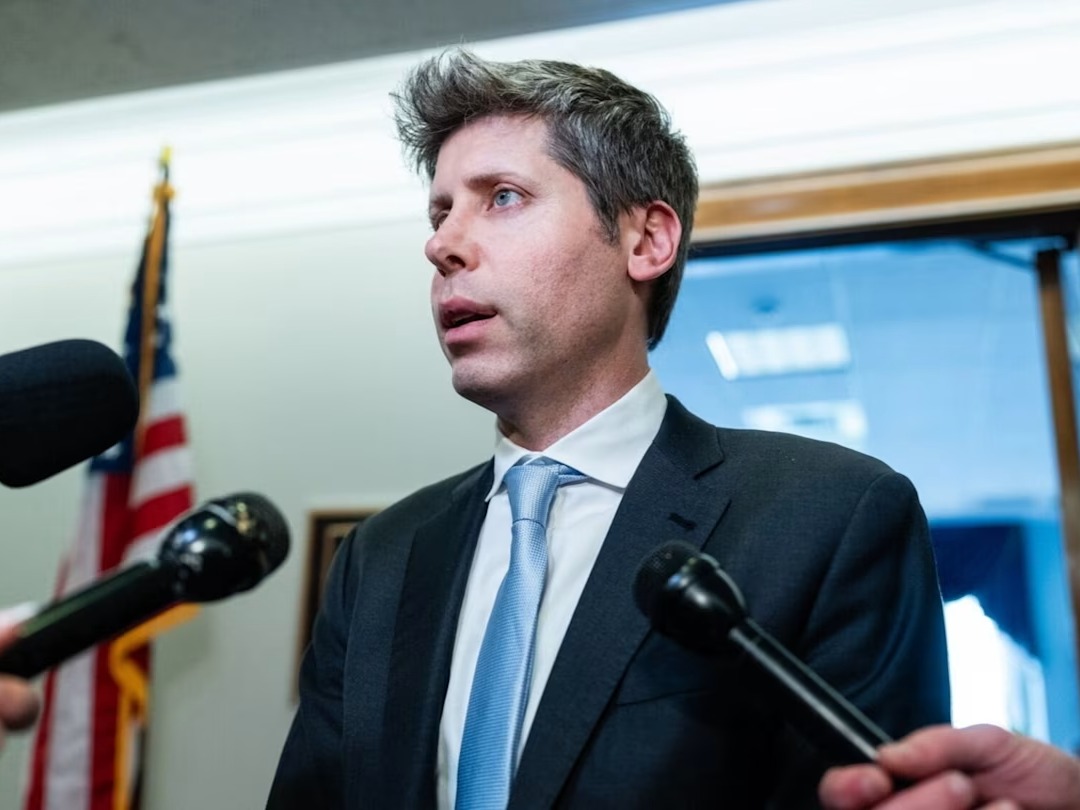 | OpenAI proposes handing Trump administration 5% stake | | Technology: Sam Altman’s start-up in early talks for a public ownership deal as political pressure rises |
| 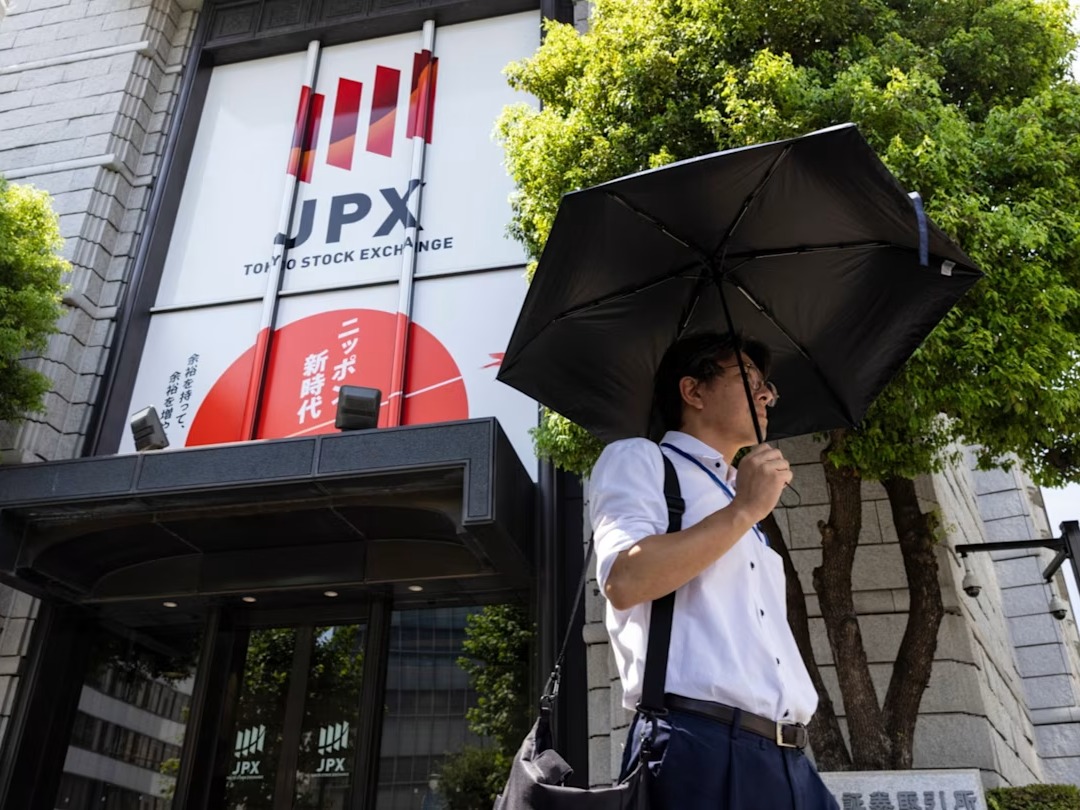 | | 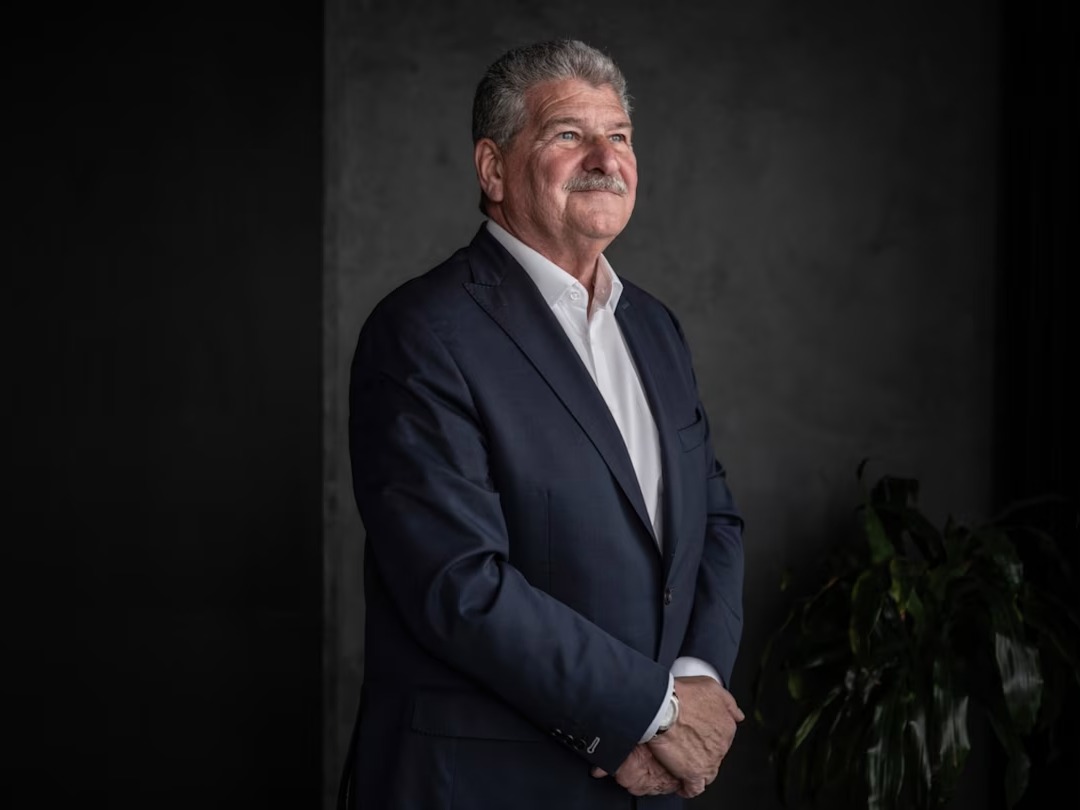 | ‘You saw it get out of hand’: WeWork’s CEO on shedding its frat-boy past | | Leadership: After half a century at a traditional property group, John Santora is helping the one-time disrupter grow up |
|  | |
| | |
Shareholder power is about more than voting | ECGI blog Does shareholder empowerment rein in executive pay or does it change how boards “design” packages? This research seeks to answer that question by looking at the effects of the UK’s 2013 director remuneration reforms. It finds that: “Shareholder empowerment changes much more than executive pay. It reshapes the architecture of executive contracts and influences how firms monitor, evaluate, and reward their executives.” Proxy season 2026: Director support and board independence | ISS-Corporate This blog looks at director support in the Russell 3000 so far this proxy season. It is also interesting to see “steady growth in the separation of board chair and CEO roles in recent years”. Indeed, almost 40 per cent of the S&P 500 has an independent chair this year. Shareholder engagement | PwC A really useful guide that offers five principles for approaching shareholder engagement: seeing this as a “core board responsibility”; focusing on “sensing risk and conviction” rather than trying to manage a vote; engaging with “real” decision makers; rethinking engagement for the current “polarised environment”; institutionalise lessons learnt.
|