| Greetings once again from New York, where the weather feels balmy in comparison with Europe. This week I look at the significance of SpaceX’s MSCI rating — and why Musk cannot completely ignore ESG policymakers and influencers. Elsewhere we have top stories on what AI will do to jobs and insights on restructuring from Nike. If you want to catch up on recent briefings, you can explore the FT Infosys Board Network hub, where you’ll find links to FT.com articles, research and our archive of newsletters. Do you have comments or suggestions for us? Send them to me at Andrew Hill at andrew.hill@ft.com or Kate Hodge at kate.hodge@ft.com. Thanks for reading. It’s Mars or bust for Musk |
| | |

Since SpaceX filed for its IPO, concerns have been raised over its share structure and limiting of shareholder rights © Reuters A few hours after the FT published a report about MSCI inflicting its lowest possible ESG rating on SpaceX, someone reposted the story on X with the sarcastic comment: “Oh nooooooo what are they gonna doooooo”. A few hours later SpaceX founder Elon Musk responded: “Unfortunately, electric rockets are impossible”. Was Musk “furious”, as one website suggested? I don’t think so. SpaceX shareholders have had their most turbulent week since the chatbots-to-rockets conglomerate staged its initial public offering. The stock lost $400bn of value on Monday. But MSCI’s unsurprising triple C assessment — the same as it grants to the wartime Russian state — was not the cause. Musk sounded crosser in 2022, when the S&P 500 ESG Index dropped Tesla, but retained ExxonMobil. Then, he described the environmental, social and governance movement as “a scam . . . weaponised by phoney social justice warriors”. Musk devotees have already piled on to the SpaceX rocket-ship and will cling on wherever it heads. General index investors do not have a choice about becoming passengers, partly because MSCI and others (but not S&P Dow Jones Indices) have fast-tracked Musk’s company into their line-up. Anyone else who worries about the E, S and G risks will have steered clear. For disciples of governance orthodoxy, the SpaceX prospectus read like a “how-not-to” manual. MSCI’s governance rating of 3.2 out of 10 even looks a little generous. The fact Musk is probably untroubled by MSCI’s move does not, however, mean he can completely ignore ESG policymakers and policy-shapers. The SpaceX prospectus acknowledged that in many small and a few big ways, its growth could be hampered by the people who issue the permits, write the environmental regulations and police and enforce the laws in places where SpaceX operates. What is more, a sizeable group of investors, particularly in Europe, still believe they should take into account the sustainability risk that is reflected in products benchmarked against MSCI’s indices. In other words, the story illuminates two starkly different long-term visions for Musk: Mars or bust.
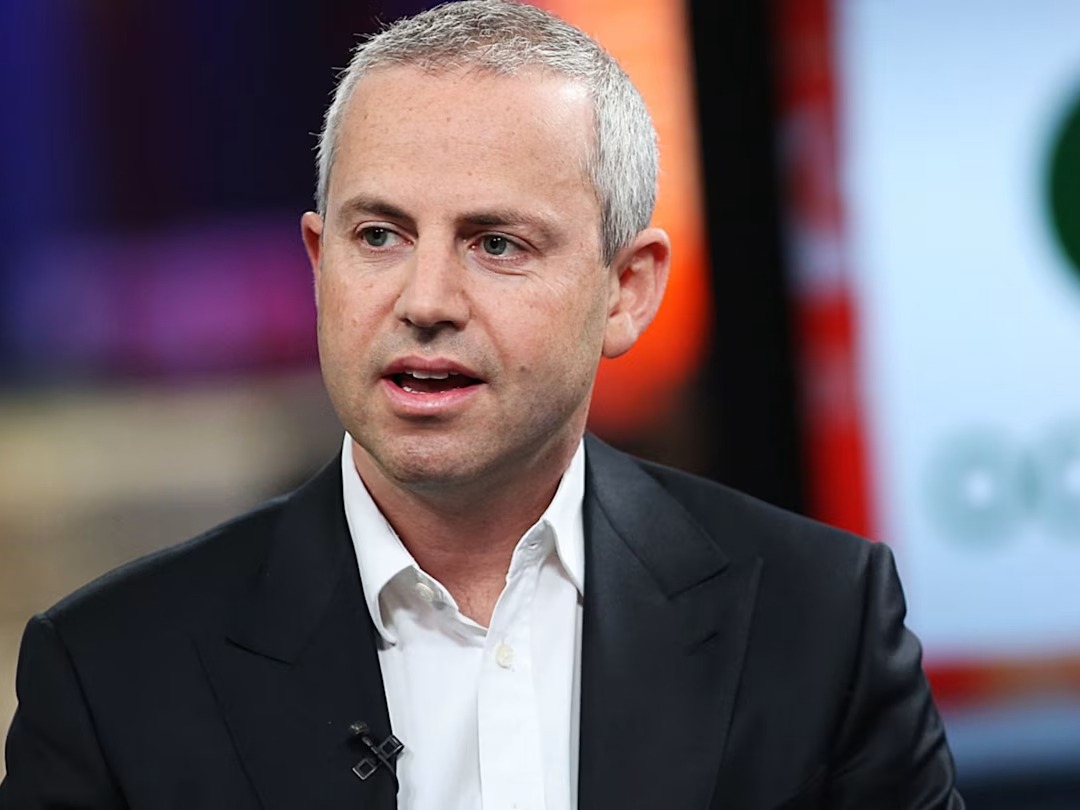
 Many may know Citadel for its bond market bets and stock picking. But “its commodities business has become the hedge fund’s crown jewel over the past decade,” writes Robin Wigglesworth. It is no longer mainly a financial actor. “We are a leading trader in power and natural gas and have a significant business in the oil and oil products markets,” says the hedge fund’s founder and chief executive Ken Griffin. Now there are signs it is broadening its focus from US energy into Europe and Asia. 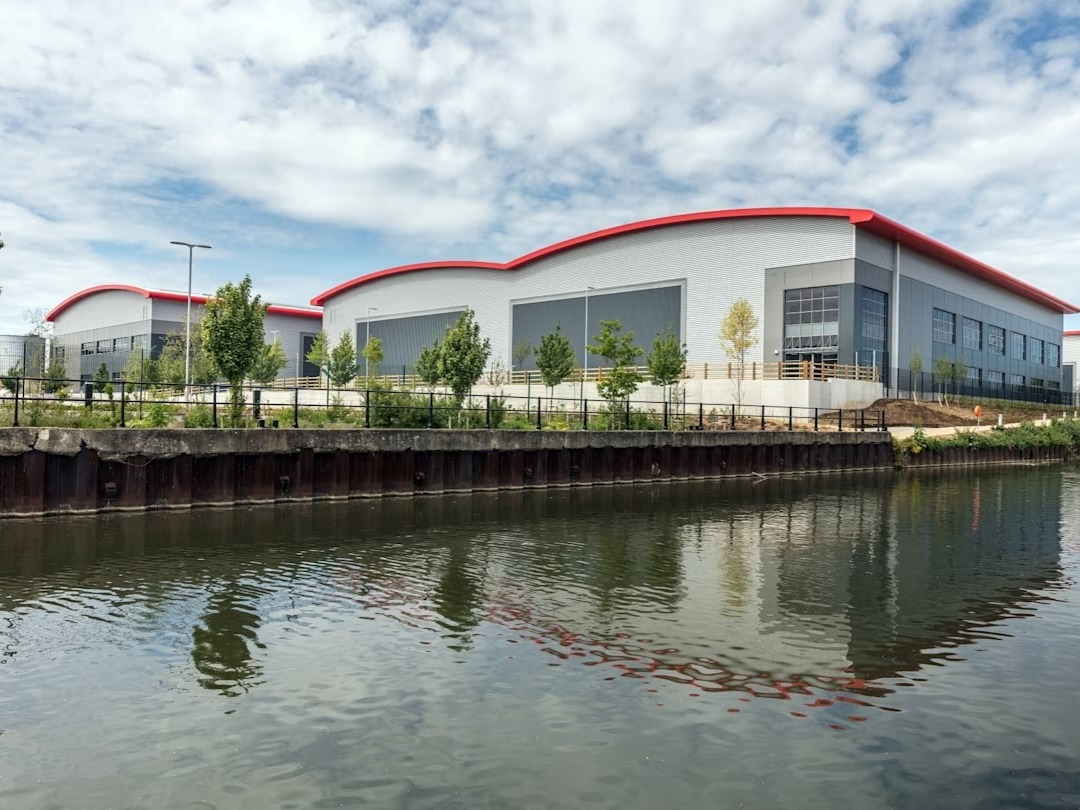 | UK takeover targets are right to set the bar high | | M&A: Rejecting bids is not a riskless strategy. But this time boards may have a point |
|  | | 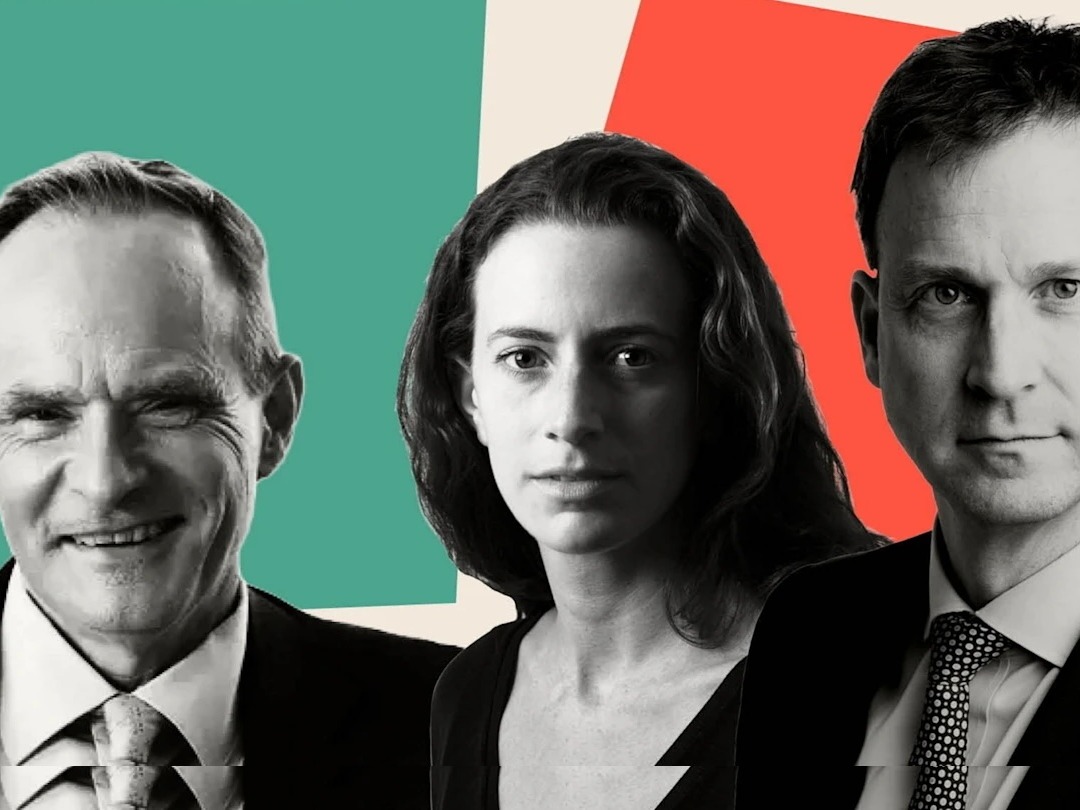 | Simon Johnson: ‘Nobody needs as many white-collar workers as they used to’ | | Technology: The Nobel laureate and former IMF chief economist on how to prepare for what AI will do to jobs |
| 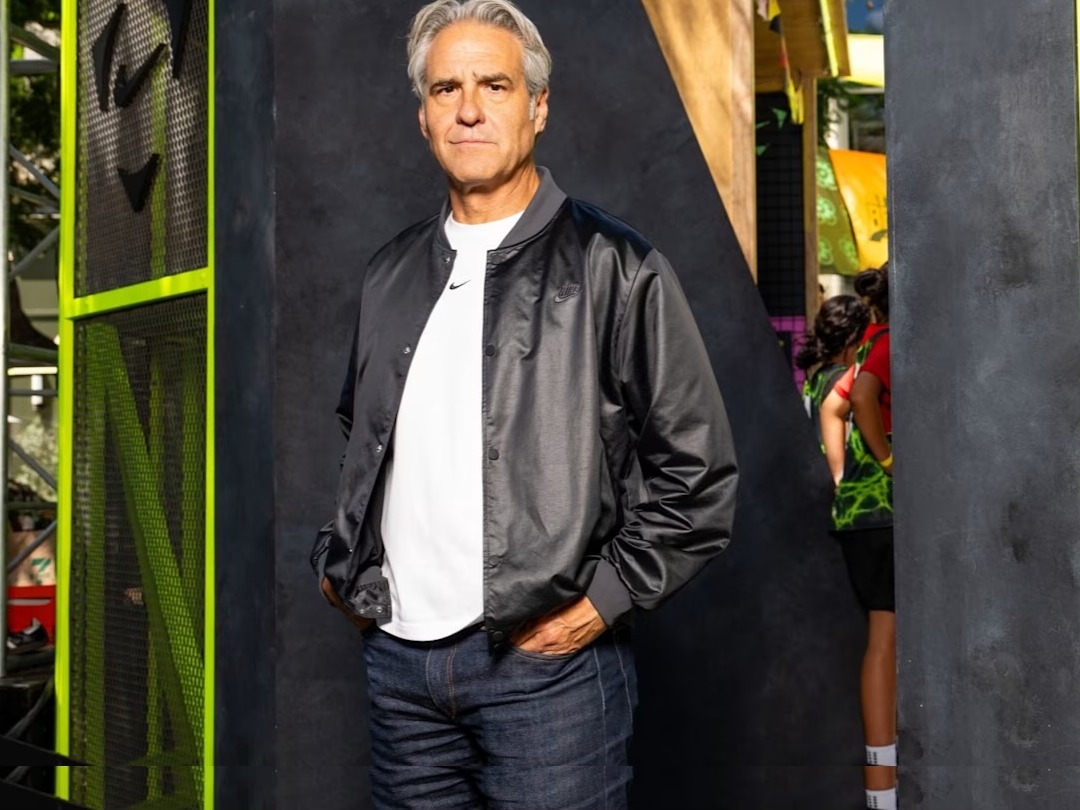 | Nike CEO on the race to revive the biggest brand in sport: ‘We’re here to win’ | | Leadership: Elliott Hill says scale of problems means restructuring is taking longer than hoped |
|
| | |
Nominating and governance committee chair priorities: 2026 and beyond | Spencer Stuart This research is based on a survey of 65 S&P 500 and MidCap 400 nom-gov committee chairs. Board composition is top of the committee’s agenda, with chief executive succession next on the list followed by AI oversight. Interestingly, “CEO experience is the top recruiting priority for new board members”. 2026 global board governance survey | Protiviti This report, called The Board’s AI Moment, is based on a survey of 772 board members and senior executives. It found that 63 per cent of boards in businesses that report a high return on investment in AI have the technology on the agenda for every board meeting. This compares with 13 per cent of boards for organisations reporting low return on investment for AI. Closing the sustainability valuation gap | KPMG This research highlights a disconnect between “the sustainability business case and the enterprise value”. It is based on a survey of 2,024 senior executives and business leaders, and notes that “few organisations have succeeded in translating sustainability into financial terms that boards and finance teams recognise”.
|