| Welcome to your weekly board briefing. We start with the fun stuff — looking at the existential risk unveiled in Anthropic’s IPO prospectus, and the wishful thinking around AI’s self-regulation. Elsewhere we have top stories on strategy at Kering and research into whether the language used around CEO exits matters. As always, if you want to catch up on recent briefings, you can explore the FT Infosys Board Network hub, where you’ll find links to the FT.com articles, research that we’ve referenced and our archive of briefings. Do you have comments or suggestions for the newsletter? Send them to Andrew Hill at andrew.hill@ft.com or Kate Hodge at kate.hodge@ft.com Thanks for reading. Balancing regulation, progress and existence |
| | |

Anthropic chief Dario Amodei told the UN Security Council last week that AI was ‘the most important global security issue’ © Chip Somodevilla/Getty Images Anthropic’s initial public offering is likely to set a few records, but it will be hard for any subsequent flotation to top the AI lab’s “risk factors”, which reportedly include a warning that its technology may pose “existential risks to humanity”. Contrast, for instance, Jersey Mike’s Subs (vision: Be The World’s Most Beloved Destination for Authentic Sub Sandwiches), which floated earlier this year with a more prosaic list of risks, including food safety issues such as the “voluntary product withdrawal of pepper ham”. It is becoming easier by the day to understand why Anthropic chief executive Dario Amodei has called for stricter oversight of AI development, despite the opposition of some of his peers and Donald Trump to regulation. Yet Amodei was one of the AI executives paraded by the US president in front of the White House this week, after signing the “White House Accord on Super Intelligence”, which promises — in Trump’s words — “tremendous self-policing” of the industry. The document looks a flimsy protection against the sorts of challenges laid out in Anthropic’s prospectus. Its signatories will impose “robust internal controls” on their work, supervised by a cascade of overseers: an internal team, an independent external auditor, and an independent committee of the board. Trump added that a further committee drawn from the group might “watch over the whole enterprise”. Over-regulation can be damaging and self-regulation can sometimes work. After the 1979 Three Mile Island accident, the US nuclear industry set up the Institute of Nuclear Power Operations (Inpo), establishing a comprehensive and durable system of peer review of nuclear plant safety, motivated by a collective desire to prevent a repeat of the disaster. But the White House agreement suggests that participants will not evaluate each other’s models in any depth, as Inpo does. As a result the vertical structure is only likely to be as strong as each company wants it to be. In the continuing race towards artificial general intelligence, independent auditors and board members could easily come under pressure not to impede progress. “Over time, it may make sense to codify these steps into laws or regulations”, the accord says, limply. Meanwhile, its backers suggest tremendous self-policing will give the public “confidence that the technology is operating as intended”. With AI regulated less stringently than Jersey Mike’s sandwiches, that sounds like wishful thinking.
 HSBC has pivoted strategically and is now “firmly staking its future on Chinese wealth flowing out of the country, rather than western capital flowing in”, the FT reports this week. Even before this push east, Hong Kong was HSBC’s biggest revenue and profit driver. But there are risks with the strategy. Among others, “a slowdown in China’s economy could affect its rate of wealth creation, while managing assets from Chinese offshore leaves HSBC exposed to crackdowns by Beijing”. 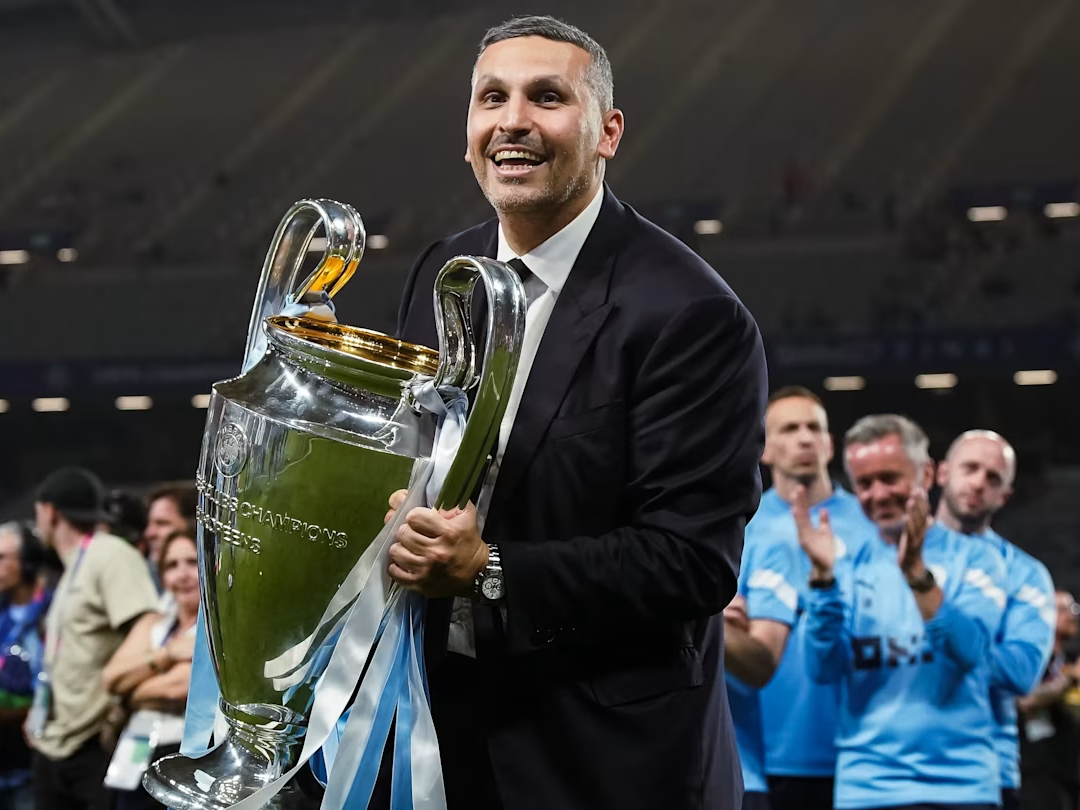 | Manchester City chair shielded by diplomatic immunity | | Governance: Khaldoon al-Mubarak was granted immunity six years ago, protecting him from potential legal proceedings in the UK |
|  | |  | UK bosses left in dark by Burnham and Healey’s emphasis on ‘cost of business’ | | Politics: Chief executives welcome bold action on pensions triple lock but brace for potential tax rises in Budget next month |
|  | |
| | |
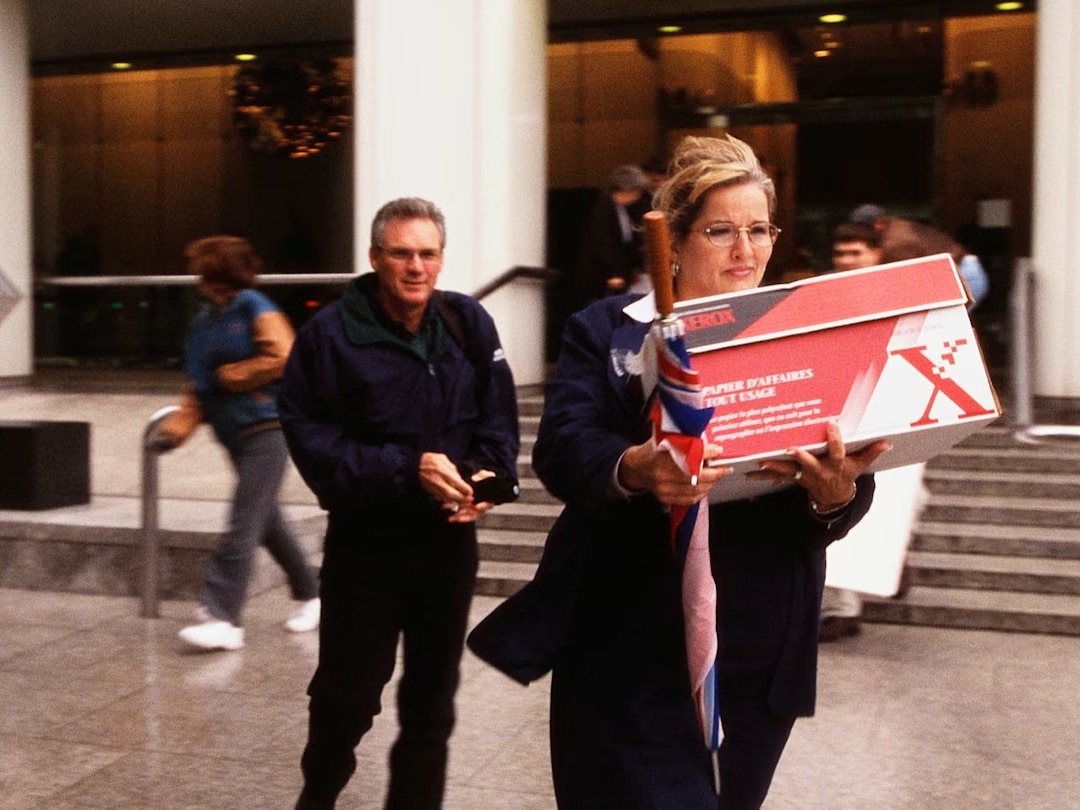
2026 US governance postseason review | ISS Corporate There is plenty to unpick about US public companies in this report, including that figures suggest “efforts to diversify boards have largely plateaued”. The findings on shareholder proposals are also noteworthy: governance-related proposals are up about 13 per cent year-on-year while anti-ESG, environmental and social submissions were down. “Spending time with the family”: Do CEO exit euphemisms matter? | The University of North Texas, Ohio State University and Liverpool University Academics analysed 1,330 forced exits at American public companies between 2016 and 2025 to see if the way a boss’s exit was framed has “real economic consequences”. Findings suggest it does. Where euphemistic language was used, it helped the outgoing CEO’s chances of landing a new job within a year and reduced their job search duration. But interestingly, it also helped the business: “euphemistic framing dampens negative inferences about the firm, facilitating faster and stronger successor matches”. 2026 annual corporate directors survey | PwC This research is based on a survey of 599 US public company directors. It highlights an interesting mismatch. Some 55 per cent of respondents said at least one director on their board should be replaced. Of those, 39 per cent point to “insufficient expertise” as the main reason. Yet when recruiting board members, directors give more importance to cultural fit than expertise.
|