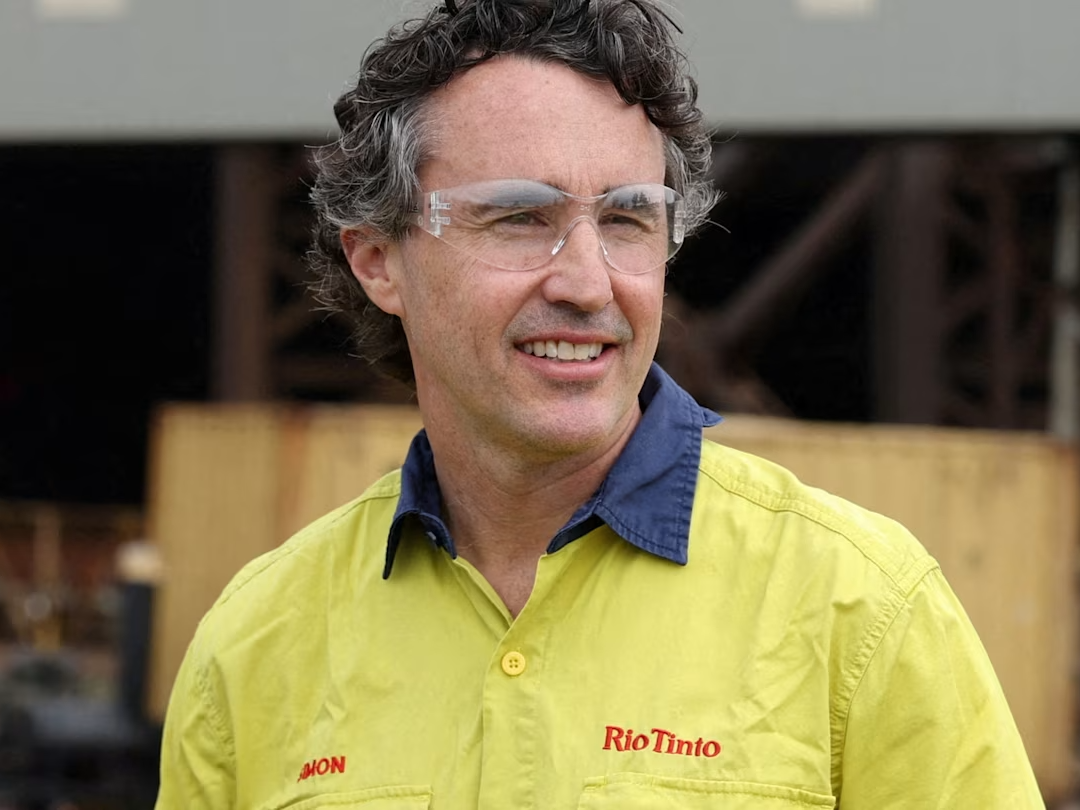
| Welcome to your weekly board briefing. We start with some history. A new book reprints the work of Goldman Sachs leaders John and Sidney Weinberg on corporate governance, with leading directors, academics and lawyers adding their commentary. Former Delaware supreme court justice, Leo Strine, takes the opportunity to remind corporate leaders to think deeply and keep a wide perspective. Elsewhere we have top stories on the UK’s Budget, Anthropic’s IPO, troubles at law firm Weil and executive pay at Rio Tinto. As always, if you want to catch up on recent briefings, you can explore the FT Infosys Board Network hub, where you’ll find links to the FT.com articles, research that we’ve referenced and our archive of briefings. If you have any comments or suggestions for the newsletter, send them to Andrew Hill at andrew.hill@ft.com or Kate Hodge at kate.hodge@ft.com Thanks for reading. The importance of deep thinking |
| | |

Leo Strine, right, is among the experts who challenge the Weinbergs’ governance works in a forthcoming book, Boardroom Legacy. © Reuters Board directors are often selected for their experience. The idea that these elder statesmen and women might have something significant to learn from an undergraduate seems laughable. But Lawrence Cunningham, presiding director of the University of Delaware’s Center for Corporate Governance, has unearthed a 1948 thesis by former head of Goldman Sachs John Weinberg, after whom the centre is named. Written when he was a 23-year-old student at Princeton, it lays out the “status and functions of corporate directors” in terms that remain highly relevant today. For instance, the director’s “most effective instrument” is what Weinberg called “the discerning question”, which can be used to probe and challenge executives, without crossing the line into management. “The question should be asked pleasantly, discreetly but firmly,” he went on. Weinberg had a strong governance — and Goldman — lineage. He was the son of Sidney Weinberg, who rose from janitor’s assistant to senior partner at Goldman Sachs after the crash of 1929, himself the author of some influential principles for directors. In a new book, Boardroom Legacy, Cunningham reprints the Weinbergs’ work and invites leading directors, academics and lawyers to comment on it. The spikiest discerning questions for today’s directors are posed by former Delaware supreme court justice, Leo Strine, in an afterword. He acknowledges John Weinberg’s precocious prescience and the durability of his insights. But he also points to the blind spots in his thesis. Weinberg had served in the second world war, in which black Americans had joined the Allies’ struggle against racist ideologies. Yet he made no reference to racially segregated US society. Weinberg also omitted to mention the lasting harm large US companies were inflicting on the environment. Strine writes that this should be a reminder to corporate leaders “of the importance of good practices that encourage deep and wide-lensed thinking”. Strine asks today’s corporate leaders and directors: “What do we see but refuse to acknowledge? And what did we acknowledge to be true and right in the recent past but now obfuscate, elide, deny or renounce because the political wind has changed direction?” Appropriately enough, Boardroom Legacy is officially published on November 3 — the same day as the US midterm elections.
 French drugmaker Sanofi has a patent problem. It will lose protection for the anti-inflammatory drug Dupixent — which was responsible for €15.7bn of the company’s €43.6bn revenues last year — in the early 2030s. Chief executive Belén Garijo, who took over the company after her predecessor was ousted in February, is moving fast to orchestrate a turnaround. This includes replacing the company’s R&D lead and “extending a partnership with Regeneron worth up to $8bn to develop four new immunology drugs.”  | | 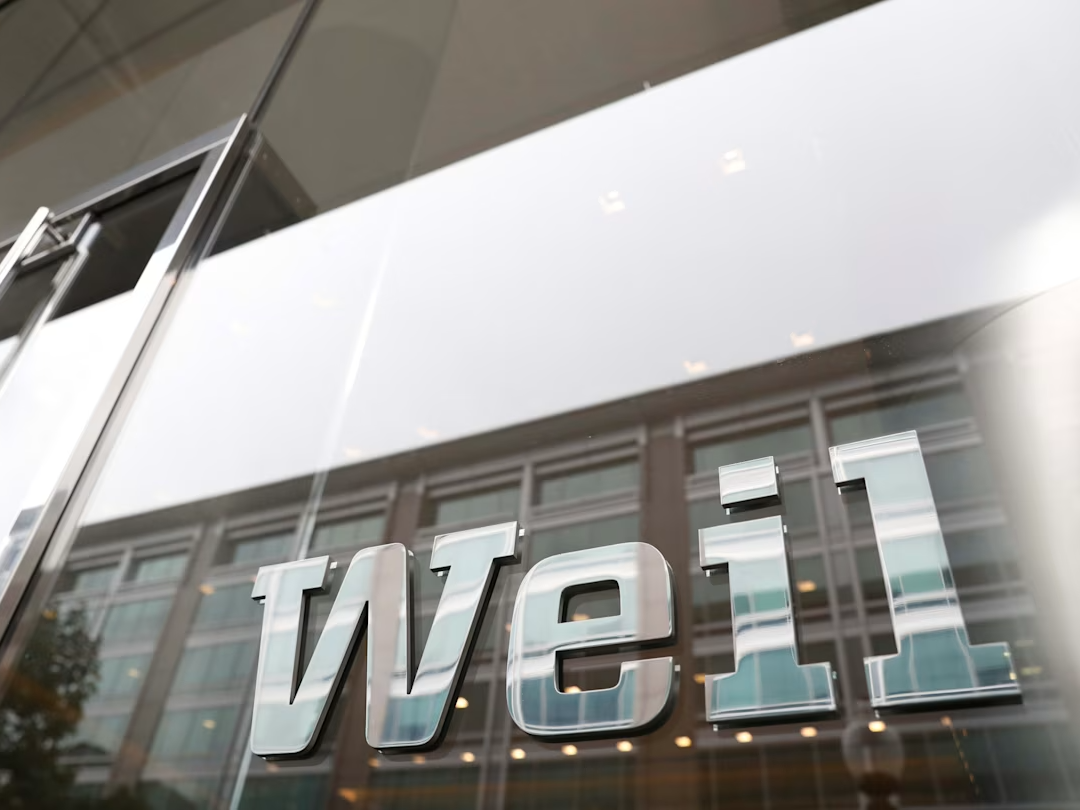 | | 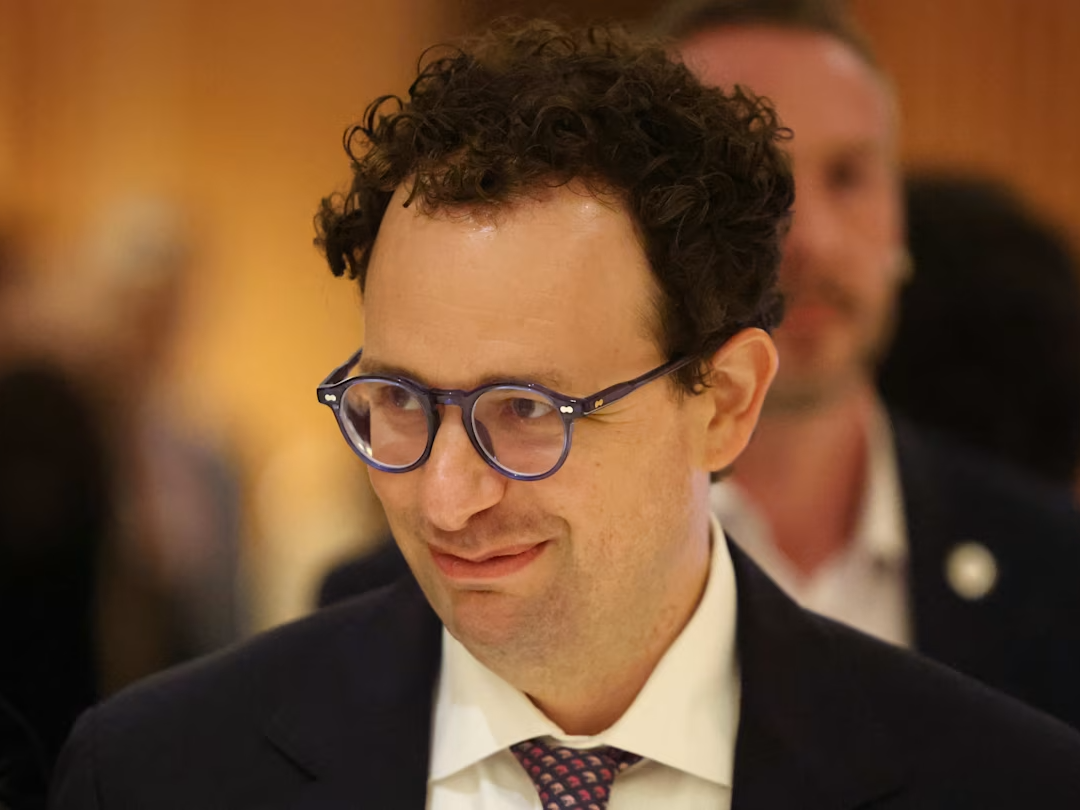 | ‘Bold but sane’: what we learnt from Anthropic’s 240,000-word IPO filing | | Going public: Prospectus details AI lab’s ‘mission’, $800bn data centre commitments and extraordinary governance structure |
|  | |
| | |
Global CEO turnover index: Key trends through Q3 2026 | Russell Reynolds Associates While first-time chief executives still dominate appointments, “boards are appointing leaders with prior public-company CEO experience at a markedly higher rate”, the report says. There was also an uptick in the proportion of women appointed to become chief executive, though this was focused in the Euronext 100 and ASX 200 indices. The CEO response | Egon Zehnder This research canvassed 843 chief executives from around the world on everything from the support they receive from chairs and lead independent directors, to what will determine their success. One interesting question was on their most important alliances: bosses seem to be turning to peers as business alliances and informal chief executive networks came top. Decarbonising manufacturing and supply chains for growth: Guide for C-suite executives | World Economic Forum and Tata Consultancy Services While this white paper is focused on executives, there are some interesting insights for directors with an interest in supply chains and sustainability. The case studies are interesting, for example, how Unilever says its focus on packaging had a number of positive results including reducing scope 3 forest, land and agriculture emissions by 14 per cent.
|