| Welcome to our weekly board briefing. We dive straight in with a look at Mike Ashley’s influence at Frasers Group, and how it affects governance at the mini-conglomerate. Elsewhere we have top stories on share scheme commotion at Ryanair, the boardroom battle at Tata and leadership at Revolut, alongside research on executive and non-executive director pay in the FTSE 100. As always, if you want to catch up on recent briefings, you can explore the FT Infosys Board Network hub, where you’ll find links to the FT.com articles, research that we’ve referenced and our archive of briefings. Do you have comments or suggestions for the newsletter? Send them to Andrew Hill at andrew.hill@ft.com or Kate Hodge at kate.hodge@ft.com Thanks for reading. Governance norms be damned |
| | |

Frasers Group has become Hugo Boss’s largest shareholder © Chris J Ratcliffe/Reuters Retailer Sir Philip Green used to call Sports Direct founder Mike Ashley “the little emperor” or “little emp” for short. The implication was that Green was the “big emp” of the UK High Street. Green, whose family once owned ubiquitous fast-fashion brand Topshop, suffered a rapid fall from grace after selling the BHS chain in 2015. His Arcadia retail holding company later disintegrated and its brands were bought by rivals. But Ashley, whose empire is now called Frasers Group, seems to go from strength to strength. For investors and directors, the journey is characteristically bumpy. In August, Ashley said he had no intention of installing his son-in-law and Frasers chief executive Michael Murray as chief executive of Hugo Boss, of which Frasers now owns 48 per cent. Last week, the German fashion brand duly appointed Murray. This comes only weeks after Frasers bought high-end department store Harvey Nichols in a pre-packaged administration. There is some method in Ashley’s mad dash to acquire premium retail brands, moving the group upmarket. Yet he remains an unrepentant retail magpie, pecking at stakes in companies such as Mulberry and Boohoo. It’s necessary to remind readers here that Frasers is, despite appearances, a publicly listed company. When he floated the group as Sports Direct in 2007, Ashley took the title of executive deputy chair and only later became CEO. Now he holds no official title, but he owns 74 per cent, and still seems to control strategy from behind the scenes, governance norms be damned. As he told the FT in a rare interview in May, “I’m not Mary Poppins.” Speculation that Ashley might be better taking Frasers private has circulated virtually since its IPO. In the meantime, the value of shares in his mini-conglomerate lags behind more conventionally governed Next. It seems there is little reason for me to alter the view I expressed 20 years ago: that Ashley’s empire “is not in fact a listed company, but an elaborate experiment aimed at proving whether the financial community, when deprived of most useful information, can value a stock correctly”.
 David Ellison, chief executive of Paramount Skydance, made progress this week with his proposed $110bn takeover of Warner Bros Discovery when he made a truce with 12 US states. “But the real adversary . . . isn’t disgruntled US states — it’s the bond market,” Lex notes. If the sale goes ahead, Paramount will have a net debt of about $80bn. “Rivals Netflix and Walt Disney have considerably more balance sheet headroom with which to fund future content wars,” Lex adds — which brings into question if the prize is worth the fight.  | Billionaire Tata scion faces battle of his life to avert listing | | Governance: Noel Tata is up against the 150-year-old business empire’s chair and his well-connected New Delhi allies |
|  | How private equity ended up in limbo | | Investors: The sector’s growth was built on a clear bargain with investors. That has now broken down |
|  | | 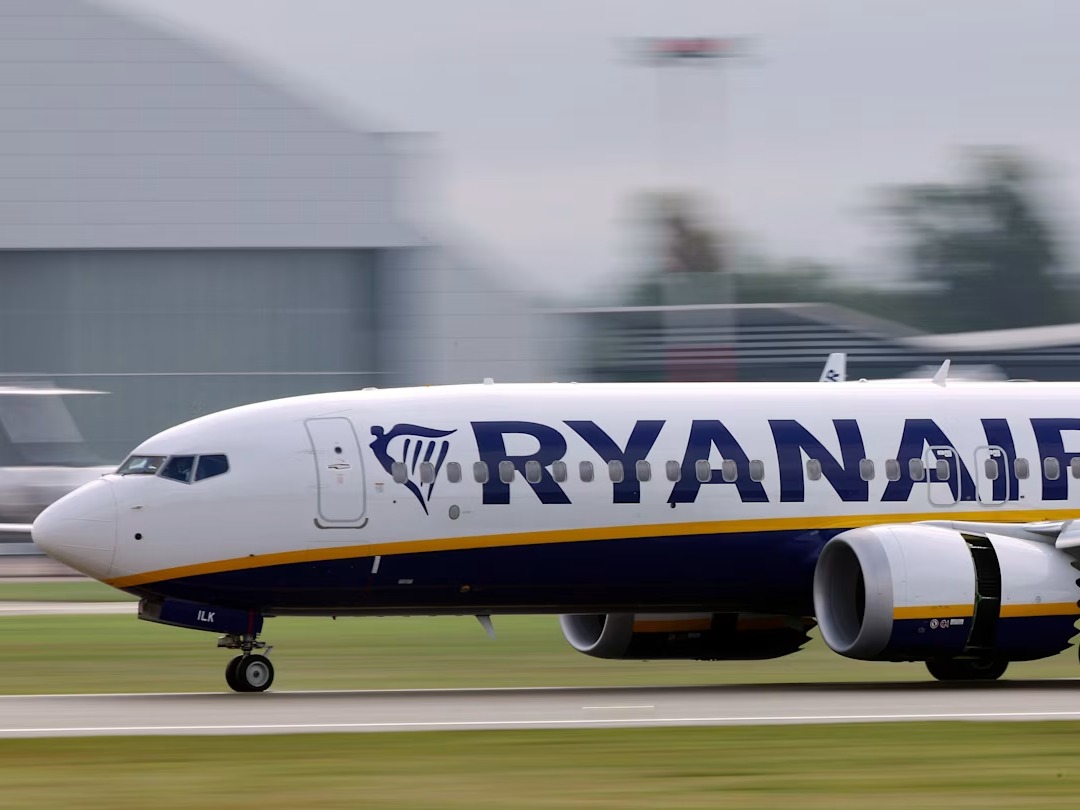 | Ryanair boss tells investors to ‘grow up’ over his €150mn share scheme | | Executive pay: Michael O’Leary warns that air fares could rise by a fifth as he defends latest airline contract |
|
| | |
2026 CEO activism survey | Stanford As a chief executive, should you speak up or stay quiet? This research might have the answer. It polled 2,807 people in the US to see how the public views bosses who set out their stall on environmental, social and political matters. Results were mixed: 55 per cent of respondents said chief executives should advocate on topics “they care about personally”. But 45 per cent think they should not. This changes when it comes to bosses taking a stance where matters “directly impact their business or employees”. The true cost of corporate scandals? Talent | Harvard Business Review This research looked at whether workers opt to leave their roles if their employer “is sanctioned for allegedly harming its stakeholders”. The results suggest they do. Violations that amount to 5 per cent of a company’s annual revenues are linked to an almost 4 per cent increase in workers leaving. Directors’ remuneration in FTSE 100 companies | Deloitte There is plenty to unpick in this detailed report. One interesting point is that the median total single figure pay for chief financial officers in the FTSE 100 was £2.27mn last year, down slightly on £2.46mn in 2024, whereas pay for chief executives was up.
|