| Welcome to your board director briefing with our top governance stories and latest research. This week I compare the worlds of football and business, looking at the empire Florentino Pérez has built at Real Madrid. Elsewhere, top stories include the UK’s easing of audit reform, culture at Nidec and the Proxies from FT Alphaville. If you want to catch up on recent briefings, you can explore the FT Infosys Board Network hub, where you’ll find links to FT.com articles, research and our archive of newsletters. Do you have comments or suggestions for us? Send them to me at Andrew Hill at andrew.hill@ft.com or Kate Hodge at kate.hodge@ft.com. Thanks for reading. Pitch perfect stewardship |
| | |

Florentino Pérez, president of Real Madrid, has called a snap re-election © Nacho Hernandez/FT Attempts to compare football managers and business executives tend to flatter the former. The boardroom, where outcomes are unpredictable and ambiguous, poses far more complex leadership challenges than the stadium. In this respect, Florentino Pérez, president of Real Madrid, deserves more credit for the success of the world’s richest football club than the many coaches he has hired and fired while in charge. The 79-year-old has called a snap re-election this Sunday, and for the first time in years, he faces a challenge, from renewables entrepreneur Enrique Riquelme. In an FT interview this week, Pérez reminded the voters — Real Madrid’s members — that under his leadership, “the club’s gone from being worth almost nothing to €10bn” and predicted it would be worth twice that in a few years. Success on the pitch has been more elusive in the past two seasons, but, should he be re-elected, Pérez reportedly has plans to bring back controversial ex-coach José Mourinho to put that right. In what respects might the two men share similar traits? A new Harvard Business Review article, based on a study of 11 successful sports coaches, reflects my view that the sports-business comparison has its limits. But the authors add that “both environments present leaders with the same fundamental challenge: making high-stakes decisions under constraint, with incomplete and sometimes conflicting information”. Like coaches, great business leaders, they suggest, plan for different scenarios, collect relevant data, and “learn how to read [their] team members before a crunch time hits so that [they] can more effectively draw on them for support when it does”. Notoriously, Mourinho “lost the dressing room” at Manchester United in the 2018-19 season, after a breakdown of trust between him and his star players and had to quit. Real Madrid members’ trust in Pérez was shaken in 2021, when he spearheaded the abortive attempt to set up a European Super League of big clubs. If nothing else, Sunday’s election, which he seems likely to win, is a referendum on his continued stewardship of the sports business empire he heads. That’s the kind of pressure Mourinho will never have to face.
 Roche once dominated oncology and became Switzerland’s most valuable listed company. But in the mid 2010s, cancer treatment started to change “beyond conventional antibody therapies into immunotherapies, combination treatments and targeted delivery systems”. Rivals moved faster and now Roche is playing catch-up. 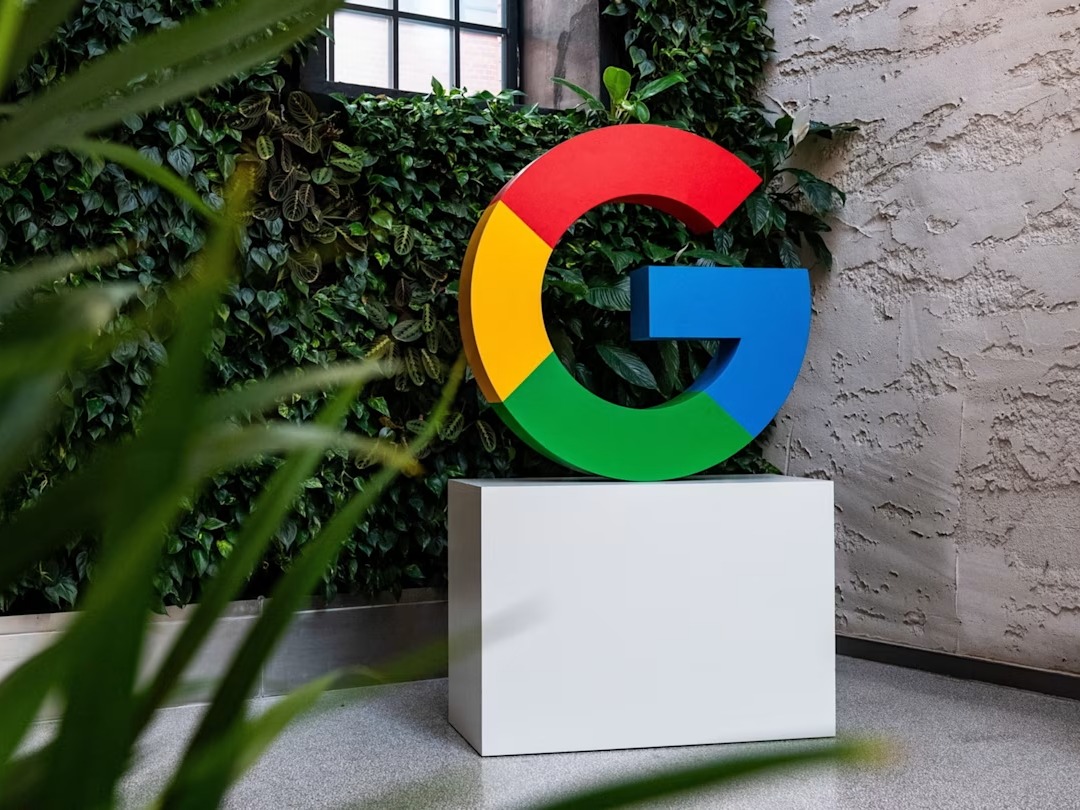 | Google’s $80bn equity raise adds to that giant AI sucking sound | | Capital expenditure: Search engine’s move is a good example of how artificial intelligence has made big numbers all but meaningless |
|  | |  | The ‘excessive pressure’ that led to Japan’s biggest accounting fraud in a decade | | Workplace: Probe into Nidec finds hard-charging culture pushed executives to inflate profits by $1bn over multiple years |
|  | The Proxies 2026: A celebration of substantial corporate perks | | Executive pay: This year’s awards include eye-watering relocation costs and a monthly ‘living expense stipend’ |
|
| | |
Quantum business readiness report 2026 | EY This report is based on a survey of 500 leaders of UK businesses with annual revenues above £150mn. Some 87 per cent said quantum computing will disrupt their sector within five years. But there are questions around the maturity of the tech and how long it will take to “play a significant role in the core activities of most companies”. 2026 US proxy season: Evolving incentive design and CEO pay trends | ISS-Corporate Findings include that median total pay for chief executives has risen steadily for five years, though that depends on sector. There is also “greater emphasis from the investor community on longer time horizons in aligning pay and performance.” Statement by chair Atkins on the SEC’s regulatory priorities and capital formation agenda | Harvard Law School Forum on Corporate Governance In this speech SEC chair Paul Atkins sets out his vision for the commission, heralding a “new day at the SEC.” This includes supporting the Trump administration’s aim to make “America the crypto capital of the world” and “moving decisively to Make IPOs Great Again”.
|