| Welcome to your board director briefing. This week I discuss how Ryanair’s chief executive Michael O’Leary is a prime example of the way bosses are no longer retrenching in the face of shocks; they are flying their way through them. There are also top stories on Musk, a new model for governance and insights on finance and faith from billionaire hedge fund manager Chris Hohn. If you want to catch up on recent briefings, you can explore the FT Infosys Board Network hub, where you’ll find links to FT.com articles, research and our archive of newsletters. Do you have comments or suggestions for us? Send them to me at Andrew Hill at andrew.hill@ft.com or Kate Hodge at kate.hodge@ft.com. Thanks for reading. Flying through turbulence |
| | |

Ryanair said Europe remained ‘relatively well supplied with jet fuel’ because of volumes being sourced from Africa, the Americas and Norway © AFP via Getty Images Jet fuel prices are up, environmental levies are on the rise, wage bills are increasing. Ryanair this week warned about such rising costs and suspended its annual earnings guidance as the Iran conflict drags on. At the same time, the airline’s chief executive Michael O’Leary said he had started negotiating with the board for him to stay in post until 2032 — which would mark a remarkable run of 38 years at the controls. These facts are not unrelated. Since taking the helm in 1994, O’Leary has become notorious for providing endless fodder for quote-hungry reporters. But he has also been a steadying presence in the cockpit, adjusting course to avoid bad weather but prepared for anything that he might have to deal with in-flight. Here, for example, was his comment to one newspaper in 2001, three weeks after the September 11 terror attacks threw the future of aviation into turmoil: “Other companies are grounding flights, laying off staff. We are going to fly our way out of this crisis. Our solution is to get back in the air with more passengers and lower fares.” This week, despite the prolonged stalemate in the Strait of Hormuz, O’Leary said he had “almost zero concerns about fuel supplies across Europe” for the summer. Coincidentally, a recent survey of 1,200 CEOs by EY Parthenon (carried out by FT Longitude in mid-March and April) shows that 56 per cent believe geopolitical tensions, instability and conflicts are the key near-term risk, compared with 28 per cent last September. No surprise there. More interesting is that CEOs are no longer “pausing, preserving and waiting for visibility to improve” in the face of shocks. Instead, they are “flying their way out”, strengthening financial resilience and pursuing investment in key areas, from selective acquisitions to AI. EY calls this “disciplined ambition”, but they might as well have named it the O’Leary Approach.
 More than three years after taking over Credit Suisse, UBS remains at an impasse with the Swiss government over capital safeguards.
The bank argues that proposals forcing it to have $20bn more in capital to back its foreign subsidiaries would “damage its ability to compete globally”. For Switzerland, it begs the question “of whether a small state with 9mn people can host a financial behemoth such as UBS, whose $1.6tn of assets exceed the size of the entire Swiss economy.”  | SpaceX IPO adds air to the Silicon Valley ‘genius bubble’ | | Founders: With plans for the largest initial public offering in history, today’s biggest one-man brands benefit from the impression that no cycle can bring them down |
| 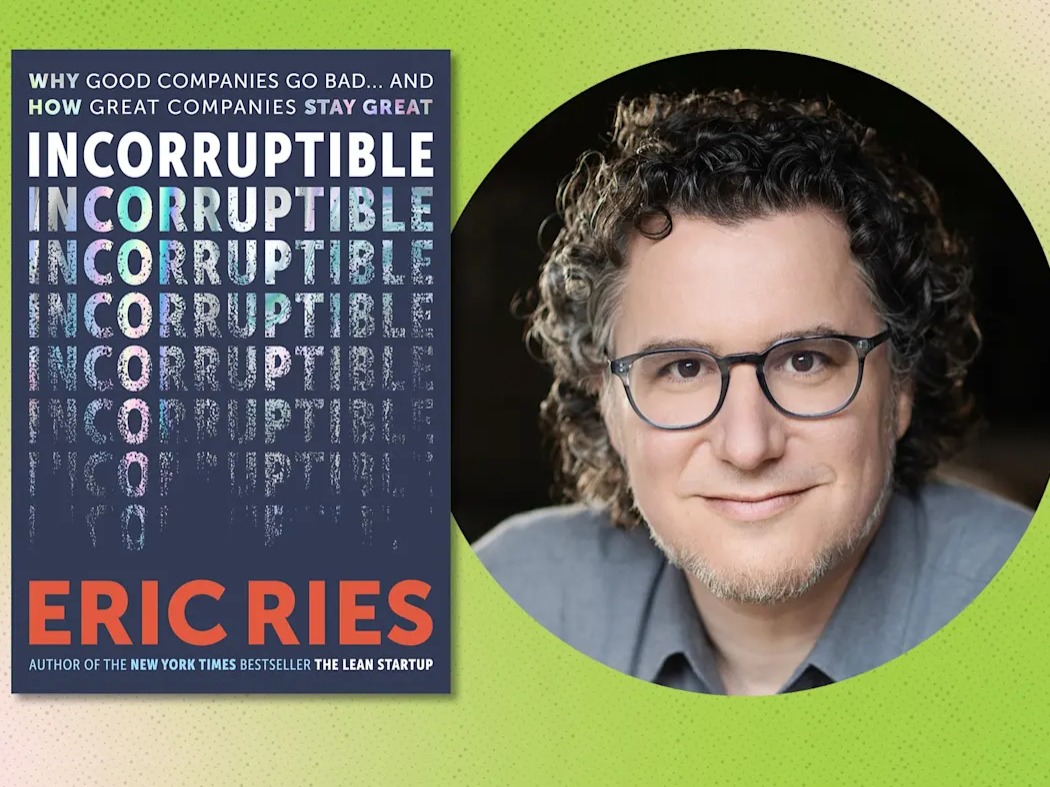 | ‘I’ve seen some things’: Eric Ries on why good companies go bad | | Governance: Author of the start-up bible has turned his attention to corrupting influences at the heart of contemporary capitalism |
| 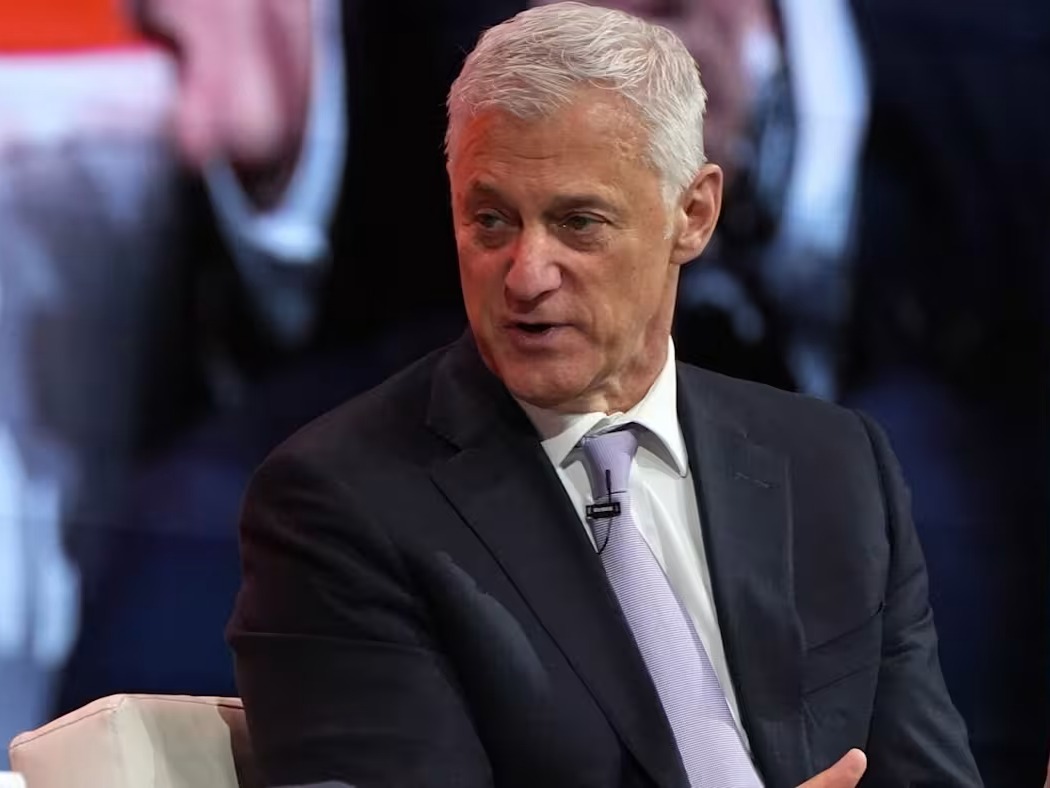 | StanChart does damage control after boss calls staff ‘lower-value human capital’ | | Communications: Bill Winters says cutting almost 8,000 jobs reflects changing work practices and not ‘value of our people’ |
|  | |
| | |
Board effectiveness: A survey of the C-suite | PwC and The Conference Board Some 524 executives at US public companies shared their perceptions of their board’s performance for this study. Overall sentiment is on the up — some 41 per cent of executives rated their board as good or excellent — but there are some areas of concern. Artificial intelligence and governance: Is 2026 a tipping point for turning awareness into action? | ISS Corporate This paper looks at board oversight and corporate disclosures around AI. There “appears to be a gap between shareholder expectations and breadth and depth of corporate disclosure”, it says, and suggests this may be the year that needs to change. Gender criteria gap in evaluation: Role of perceived intentions and outcomes | International Economic Review This research looked at the criteria for determining male and female leaders’ pay. For women, it was all based on outcomes. But for men, intentions and outcomes count. This suggests men could get bonuses “for low outcomes if evaluators hold them in high regard”. Board Network is written by Andrew Hill, and researched and edited by Kate Hodge.
|