| Welcome to your weekly board briefing. We start by looking at an interesting study into US family businesses where it seems that governance has been strengthened over the last 30 years. We also have top stories on succession at McKinsey, activists agitating at Whitbread and what oil majors will do with the extra cash generated from energy price rises. As always, if you want to catch up on recent briefings, you can explore the FT Infosys Board Network hub, where you’ll find links to the FT.com articles, research that we’ve referenced and our archive of briefings. Do you have comments or suggestions for the newsletter? Send them to Andrew Hill at andrew.hill@ft.com or Kate Hodge at kate.hodge@ft.com Thanks for reading. Governance tops the agenda |
| | |

A partial U-turn by government on inheritance tax for farmers has raised the threshold at which IHT would be levied from £1mn of assets to £2.5mn © Charlie Bibby/FT For lots of good reasons, and a few bad ones, family businesses generally prefer to keep a low profile. Privacy allows them to take a long-term perspective, beyond the scrutiny of short-termist owners and the media. For years, many such companies also took it for granted that they could dispense with rigorous governance, keeping everything, well, in the family. That has changed, as a fascinating new study shows. The Family Business Consulting Group and professional services group Plante Moran revisited 1995 and 1997 surveys of 3,000 US family businesses, posing largely the same questions to 600 respondents. One obvious change is that fewer family owners understand the implications of estate or inheritance tax. That is a sharp contrast with the UK, where — as I’ve written in a column today — family businesses are deeply worried about limits on business property relief from inheritance tax announced in 2024. In the US, the threshold for estate tax has risen from $600,000 in 1995 to $15mn today, putting many family businesses out of its reach. That may have “desensitised” families to the potential tax implications of the death of an owner — perhaps to the detriment of sensible succession planning. More interesting still are the changes in the boardroom. In 1995, fewer than 30 per cent of family business boards met three or more times a year and an astonishing 17 per cent held no meetings at all. In 2025, only 3 per cent failed to meet and nearly 80 per cent held three or more meetings. The “sweet spot” was a rhythm of three to six meetings annually. Family companies reckon the quality of governance has improved, too, partly because more of them are appointing non-family board members. At the 43 per cent of the companies with outsider-directors (up from 35 per cent in 1997), some 79 per cent of respondents rated their board’s contribution good or outstanding. The report reckoned a surprising amount has not changed in the past 30 years: family owners are still optimistic and passionate about keeping the business under family control. But the fact they are also more determined to strengthen oversight of their precious businesses can only be good news.
 The S&P 500 hit an all-time high last week. That should pave the way for IPOs and M&A, but dealmaking has been “oddly muted”, Lex notes. “In the third quarter of the year, global M&A fell below the psychologically important $1tn level,” it adds. Risk appetites have changed, Lex argues, on the back of rising yields and concerns about AI. “The divergence between booming stock markets and dwindling deal volumes will eventually close — although it’s most likely a fall in the equity market that will make that happen.” 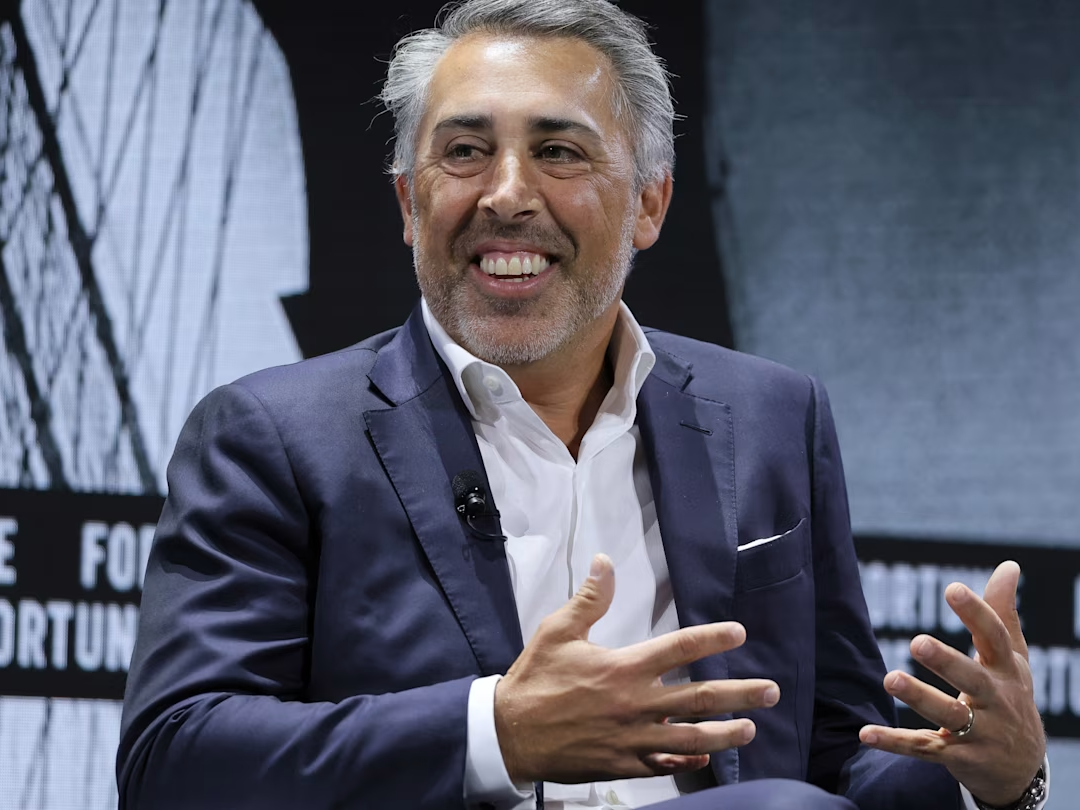 | |  | Premier Inn owner urges investors to resist pressure from activist hedge fund | | Activist investors: Whitbread asks shareholders to reject Corvex Management’s demand for a board seat |
|  | | 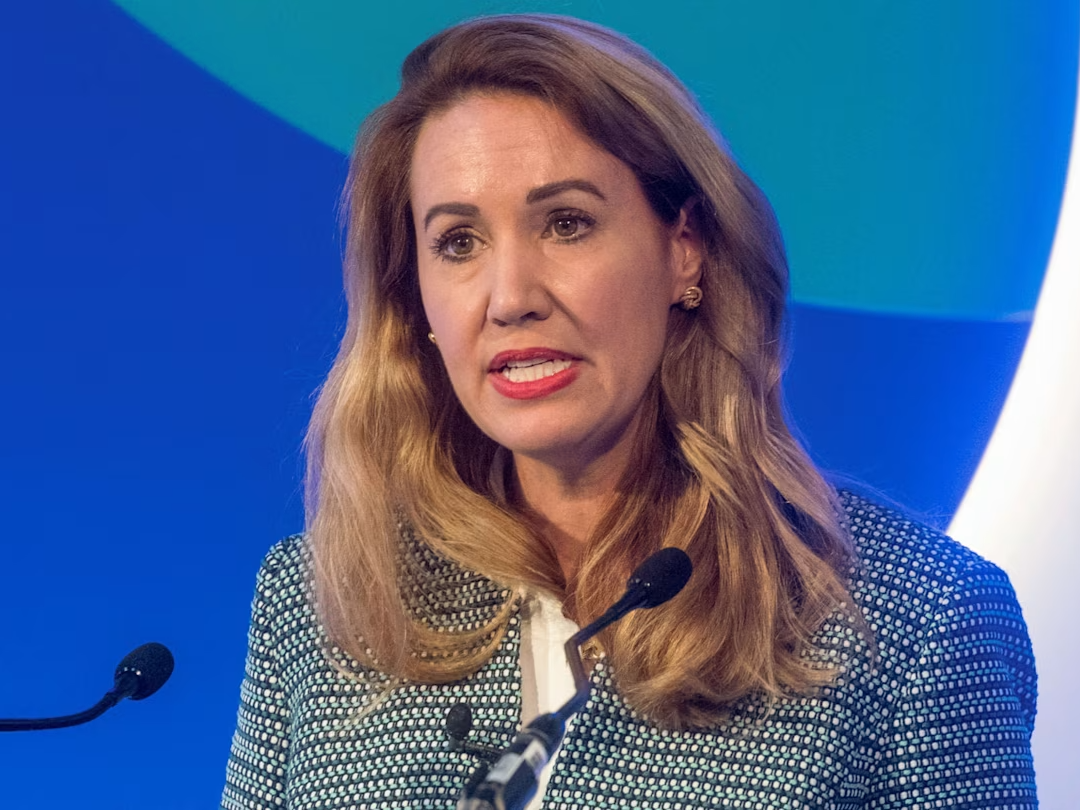 | |
| | |
Board oversight of strategy execution | 2026 NACD Blue Ribbon Commission This report examines strategy execution, noting that oversight has become “more challenging” for directors. It makes nine recommendations that fall into three categories: defining a shared foundation for strategy oversight; monitoring delivery; and calibrating engagement (recognising any changes and responding appropriately). Five key findings from benchmarking climate transition plans | ISS-Corporate This is a small sample — the analysis is based on reports from 10 large European companies. There are interesting signals, with financial planning flagged as a problem. “Few companies clearly quantified the capital and operating expenditure required, linked spending to specific actions or explained funding sources, investment periods and approval status,” it says. The adaptive advantage: Who’s winning with AI and how | The Wharton School of the University of Pennsylvania and GBK Collective The survey, which looks at how businesses use AI, garnered responses from about 1,400 workers and leaders in US businesses. It identifies three “success markers”: proving value (by prioritising growth, not time saved); transforming workflows and processes; and “management and more junior employees aligning on, understanding, and adhering to a cohesive AI strategy”.
|