| Welcome to your weekly board briefing. We start with the scandal surrounding Nvidia’s Jensen Huang — a reminder that we may need to reconsider the board structures at other tech companies. Elsewhere we have top stories on succession at Santander, strategy at VW and Shein’s IPO, alongside research on culture in dealmaking and tech transformations. If you want to catch up, why not explore the FT Infosys Board Network hub? You’ll find links to FT.com articles, research that we’ve referenced in recent weeks and our archive of briefings. Do you have comments or suggestions for the newsletter? Send them to Andrew Hill at andrew.hill@ft.com or Kate Hodge at kate.hodge@ft.com Governance and independence at Nvidia |
| | |

Nvidia does not have a formal public succession plan © Jean Chung/Bloomberg In a tale that involves sex, national security and alleged spying, corporate governance comes a poor fourth in terms of news appeal. But governance may decide the future of Jensen Huang, chief executive and co-founder of chipmaker Nvidia, who has admitted to having an affair with a Chinese woman suspected of spying for China’s state intelligence agency. Earlier this week, Nvidia set up a committee of independent directors to carry out an internal probe into the circumstances of the relationship, headed by Stephen Neal, its lead independent director, and conducted by a former federal prosecutor. Yesterday, the New York Times reported a second affair between Huang and a senior Nvidia executive, sparking speculation that the board might have to take action sooner. Just finding independent directors to assess Huang’s future objectively is hard. Unusually, Nvidia has no chair. Neal has been on the board since 2019. But a number of the other directors have served for decades with Huang, whose success has also helped some of them amass vast riches. Tench Coxe, Harvey Jones and Mark Stevens joined the board in 1993 (Stevens took a break in 2006 and returned as a director in 2008). Brooke Seawell became a director in 1997. In his great book about Huang’s rise, The Thinking Machine, Stephen Witt points out that by 2024, Coxe and Stevens, both former venture capitalists who backed Nvidia in the early days, each owned a stake worth more than $4bn. Witt writes: “When I asked [Coxe] if Nvidia was his best investment, he looked at me as if I had just asked the stupidest question he’d ever heard. ‘Uh, yeah,’ he said.” Excluding these directors, Neal and Huang himself leaves five directors, whose Nvidia board service ranges from 13 years to four months in the case of former Goldman Sachs executive Suzanne Nora Johnson. At time of writing, no decision on Huang’s future had yet been taken. But the absence of a clear succession plan and the prospect of losing Nvidia’s “key man” was already putting downward pressure on the shares. Whatever the outcome of board deliberations, Nvidia’s governance needs a close look — and so, perhaps, do the board structures of other tech companies, from SpaceX to OpenAI, that are built around the dominance of a single entrepreneurial chief, however talented.
 “The City of London has always taken pride in being open to international business. But in recent years, it has become a raiding ground,” FT journalists wrote this week. The FT analysed four decades of deals, finding that the current run of UK plcs being acquired by foreign buyers is “unusually fierce”. The trend is driven by a range of factors including low valuations of British companies compared with American peers and a “weak domestic institutional shareholder base”. It is an economic problem for the UK. As one source put it: “We are in effect exporting economic growth, tax revenue and wealth creation.” 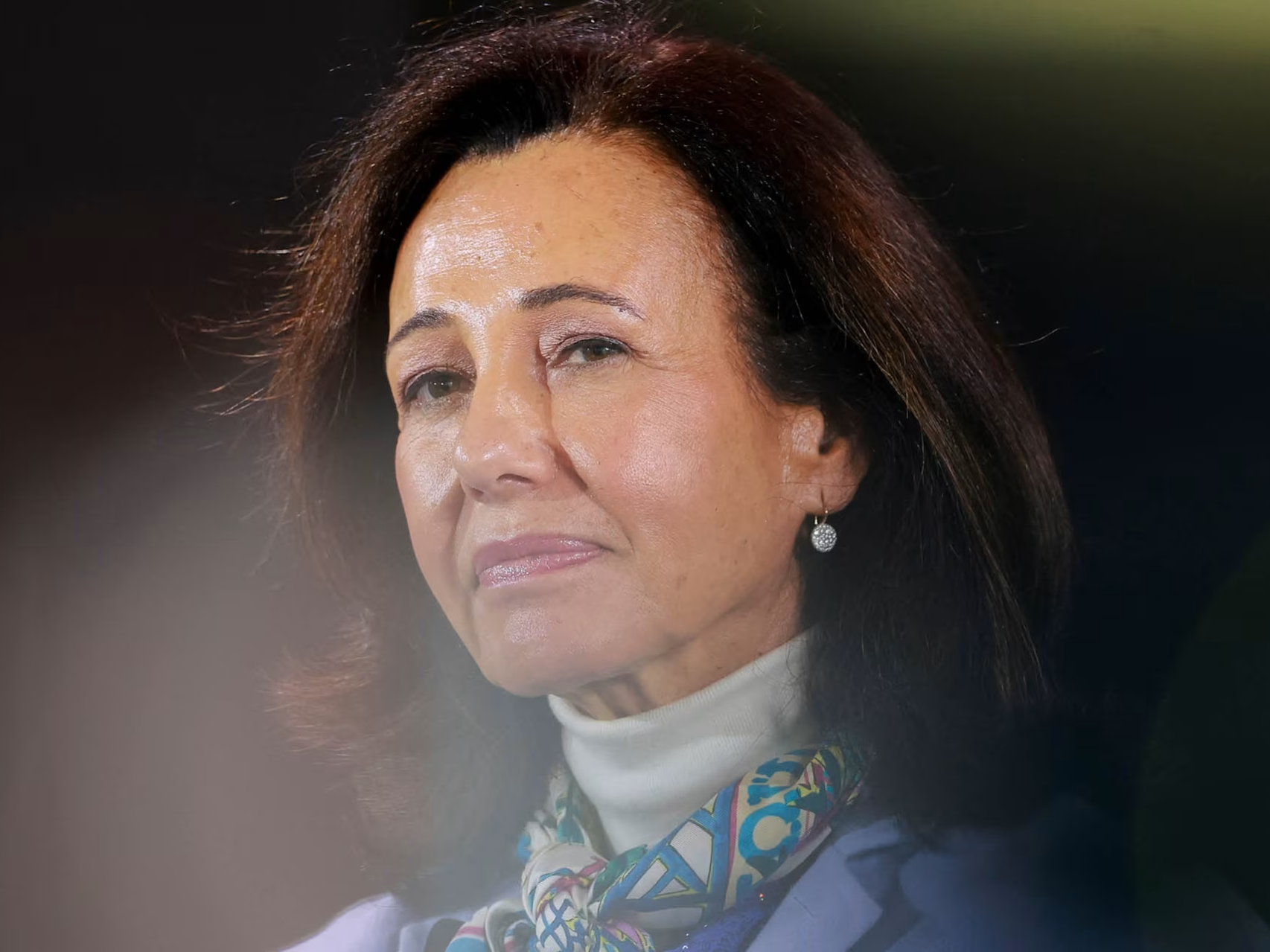 | | 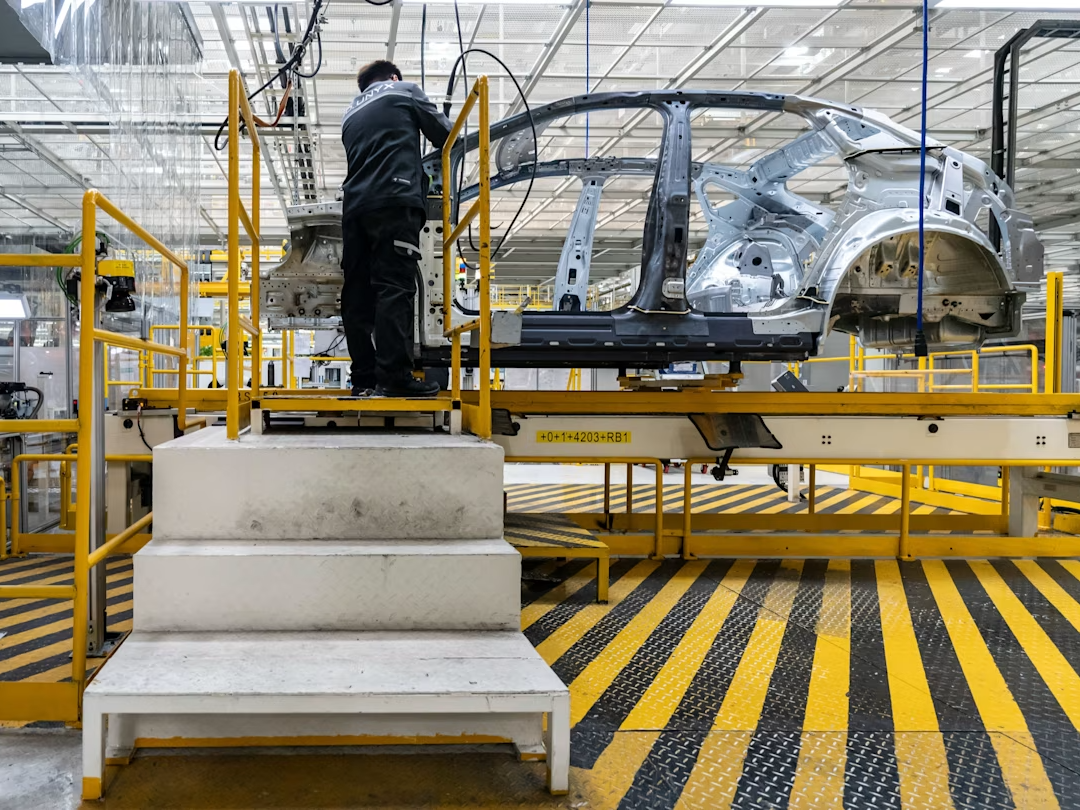 | |  | | 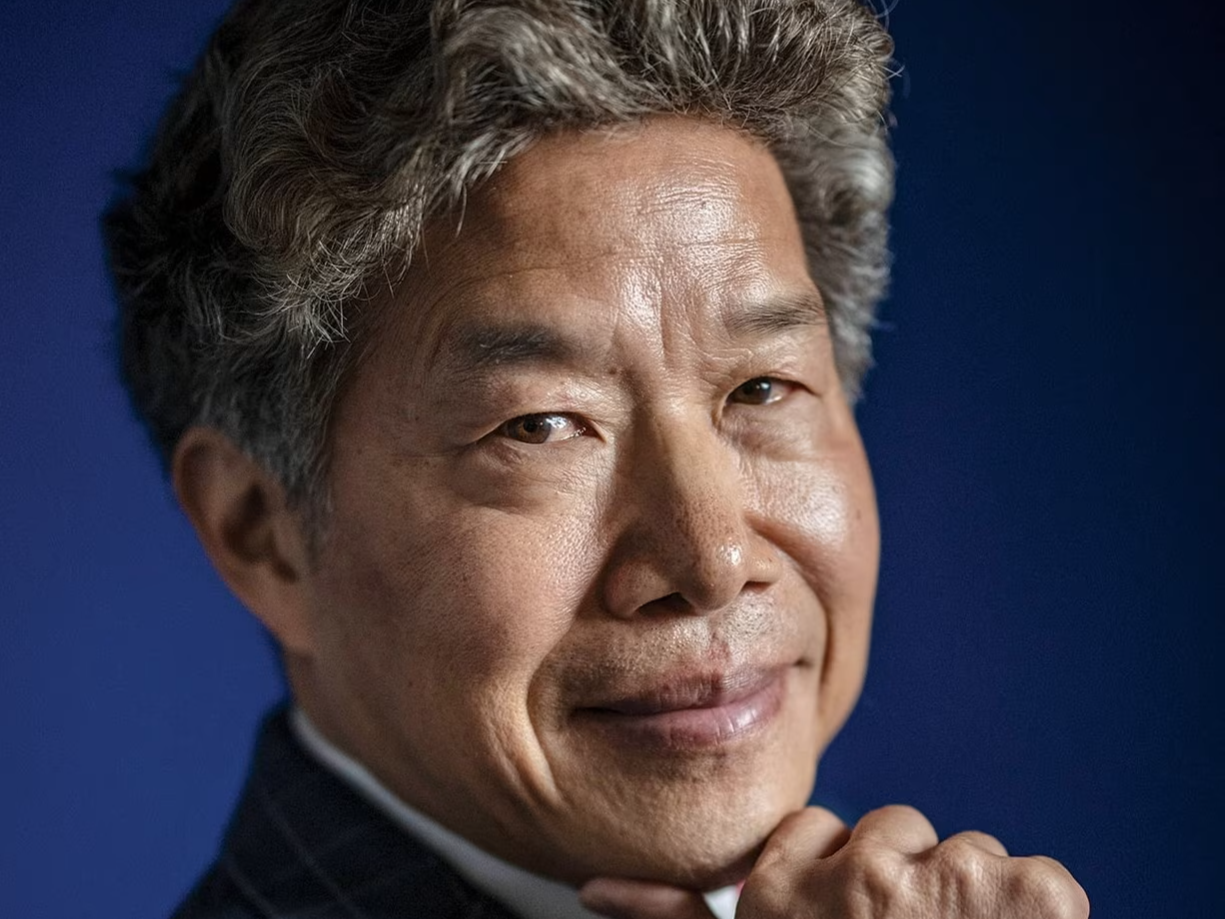 | Shein dealmaker Donald Tang: we grew faster than we could build trust | | Leadership: Former chair of fast-fashion retailer on the ‘tough decision’ to step back weeks before its disappointing IPO |
|
| | |
Does company culture deserve a seat at the deal table? | Harvard Law School Forum on Corporate Governance An interesting blog that argues culture is a “key diligence topic, a deal execution and implementation risk, and an operational issue, all at once”. The idea of “chemistry sessions” — where leaders from both sides of the deal meet to consider “organisational dynamics and human fit” — is interesting. The chief financial officer playbook for resilience capital: From climate risk to value creation | World Economic Forum and KPMG With COP ongoing, sustainability may be high on the agenda for directors. One theme in this white paper is that, while organisations see climate risks, they find it hard to translate them into proposals that win approval for capital allocation. This guide goes into detail on how to do this, with a four-stage “ladder”. Successful technology transformation in the age of AI | Addleshaw Goddard with FT Longitude This research is based on a small sample of 200 leaders across a number of roles including chief executives, technology and legal leaders. It contains a framework to help boards support tech transformations. Recommendations include not just focusing on regulatory and technology risk, but also “managing implementation challenges, data readiness and operational disruption”.
|