| Greetings from New York where I am co-chairing FT Live’s Outstanding Directors Exchange conference. We have been reminded of one important lesson this week: if boards don’t act quickly, activists will. I look at how speed is of the essence for BP, alongside top stories on Swatch, governance and chief executive security, alongside research from Stanford about where directors get their advice. If you want to catch up on recent briefings, you can explore the FT Infosys Board Network hub, where you’ll find links to FT.com articles, research and our archive of newsletters. Do you have comments or suggestions for us? Send them to me at Andrew Hill at [email protected] or Kate Hodge at [email protected]. Thanks for reading. BP cannot slip up or slow down |
| | |

BP shareholders said they remained in the dark about the precise circumstances that led to the departure of Albert Manifold © Luke MacGregor/Reuters There’s no apparent end in sight to the most riveting saga in corporate governance: the abrupt exit last month of BP’s chair Albert Manifold. FT interviews with investors reveal understandable concerns about what happened, and what happens next. Inevitably, some of those concerns focus on the boardroom. I still believe, as I wrote here a couple of weeks ago, that the UK habit of splitting chair and chief executive roles, and granting specific duties to a senior independent director, helped BP overcome the immediate peril. (Manifold himself has hit out against “lies” surrounding the circumstances of his departure, which some have blamed on his abrasive and confrontational leadership style.) But one hedge fund investor has now described the energy company as a “mismanaged kingdom for the past 30 years . . . [When] you start a row in the kingdom, the king or the princes object to it,” observed Per Lekander of Clean Energy Transition. BP’s results continue to be buoyed by high oil prices and its chief executive Meg O’Neill is pressing ahead with simplification and cost-cutting plans that will help placate activist investor Elliott. But as I heard this week in New York, where I’ve been co-chairing FT Live’s Outstanding Directors Exchange conference, activists have never been known for their patience. One deals lawyer pointed out that these days, when it comes to calling for the break-up of large-cap companies or challenging management, “any taboo that might have existed in the past has gone”. Boardroom inertia is very powerful, he added, and board members “earn their money by being able to take decisions quickly”. If they do not, activists “will pounce”. BP’s board acted decisively to remove Manifold, but the row has refocused attention on the execution of O’Neill’s plan. If she slips up, or slows down, expect investors to act.
 Investors looking to capitalise on the AI boom are no longer solely focused on chips, memory and software. They are also turning to the likes of industrial, utility and mining companies. While such sectors have been considered “drab”, they are central in developing the physical infrastructure to support and develop the technology. And AI hyperscalers are pouring cash into data centres.  | | 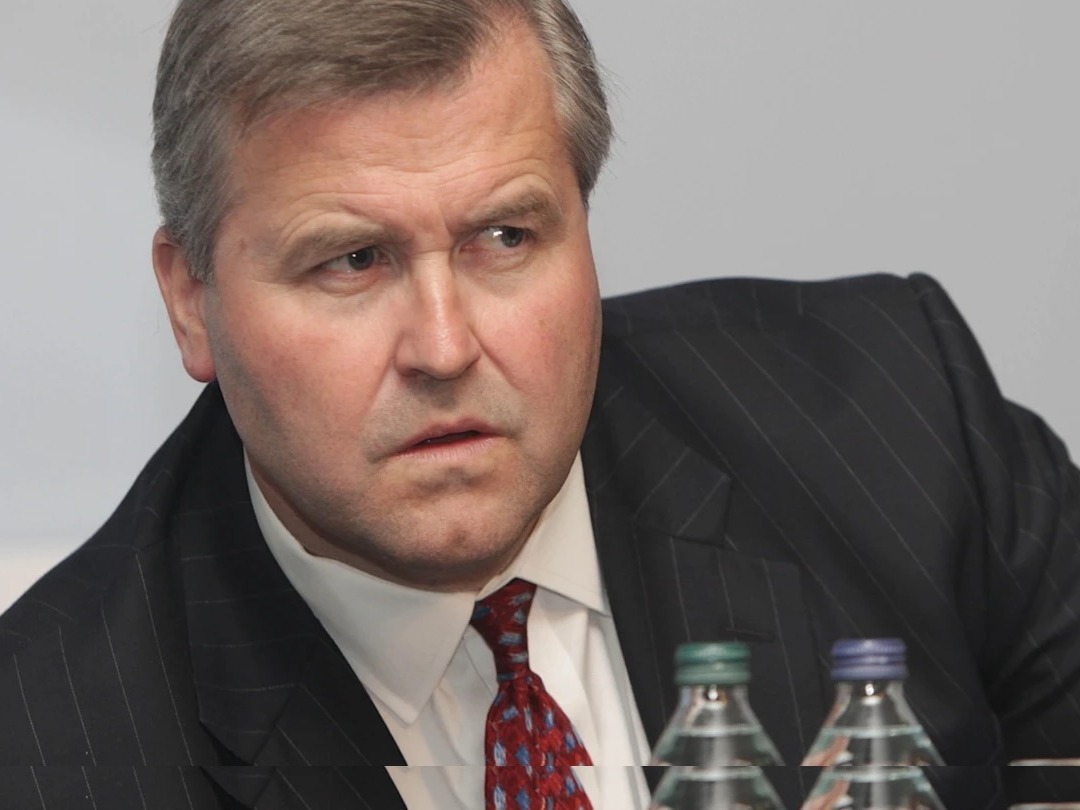 | How to chair a board in the post-governance age | | Governance: BP and SpaceX show transatlantic views of the role are very far apart |
|  | US CEOs are getting richer and more nervous | | Remuneration: More than 29% of S&P 500 companies provided home security perks for their top brass in 2025 |
|  | Four in five UK boards discussing which decisions should be led by AI | | Tech: Business experts worry governance processes are failing to keep pace with the technology |
|
| | |
Global DNA of the CFO survey | EY This report is based on a survey 1,610 finance leads from around the world. One surprising recommendation is for CFOs to “take a more active role in leading value creation”. Indeed, the report found that fewer than 26 per cent of respondents led discussions on value drivers. 2026 global human capital trends | Deloitte This study is more like a collection of essays, based on findings from a survey of 3,000 business and HR leaders. The last essay on why boards should focus on human sustainability alongside organisational performance is interesting. When directors need direction: Whom do board members go to for advice? | Stanford This research looks at the “formal and informal advice networks” that directors draw on. Most directors rely on a “kitchen cabinet of trusted advisers” including board peers (from other organisations), former colleagues and executives at other companies.
|