| Welcome to your weekly curated briefing on what should matter to board directors. This is the last briefing of 2025 and we’ll resume normal service on January 8. This week, I take a look at the future of management training, we catch up on Donald Trump’s clampdown on proxy advisers and we feature analysis of how directors can prepare a graceful exit for CEOs. If you want to catch up with past briefings, please explore the FT Infosys Board Network hub, where you’ll find links to the FT.com articles and research that we’ve referenced in recent weeks and — in the Briefings tab — to the newsletter library. Send any comments or suggestions to me at andrew.hill@ft.com or Jonathan Moules at jonathan.moules@ft.com. Thanks for reading and we hope you enjoy a relaxing festive season and a happy new year. 
© May James/SOPA Images/Getty Images Leadership development programmes at big companies have taken a few hits in recent years. General Electric, which used to pride itself on running an internal “CEO factory” through its Crotonville executive training centre near New York, appointed an outsider as chief executive, who went on to break the conglomerate up and sell Crotonville. Now HSBC is scrapping its “International Manager” programme, which for a century and a half had cultivated generations of elite generalists to run the bank. In comments on the FT’s report, readers — including a few former IMs — were sharply divided. Some saw the decision as an act of short-term corporate vandalism that would “deplete [HSBC’s] bench strength” and force the bank to pay more to hire externally. Others said the decision was long overdue, pointing out that the few IMs who succeeded, including a couple of former HSBC chief executives, were outnumbered by the many mediocre managers who did not. I love the corporate history here. HSBC originally called this cadre of top managers “Eastern staff”, then “foreign staff”, then “International Officers”. Until at least the 1970s, they were mostly male UK expats, who underwent what one described as “basic training in banking” in Hong Kong in conditions similar to those experienced by officer-class recruits to the British Army. The real question is not whether the system, which had already diversified, modernised and internationalised, needed replacing, but what should replace it. Reports suggest the main motive for scrapping the IM scheme was cost-cutting. Let’s hope HSBC reinvests its savings in a less elitist training programme that would attract and retain young new recruits. Generalist managers may have been largely superseded by specialist experts in banking. But by continuing to teach general management skills to a wider cross-section of staff, HSBC could underpin its culture for the next century. Shell and BP spent heavily on their plans for a transition to green energy, hiring thousands of new staff and promising to be part of the solution to climate change, rather than its cause. But neither effort lasted beyond the tenure of the chief executive who launched it. BP yesterday replaced its chief executive Murray Auchincloss after less than two years in a role. 
 | Art of the exit: is there a right way for CEOs to quit? | | Despite careful choreography for succession, even the best-laid plans often unravel. Just ask Diageo, HSBC and Unilever spin off the Magnum Ice Cream Company. |
| 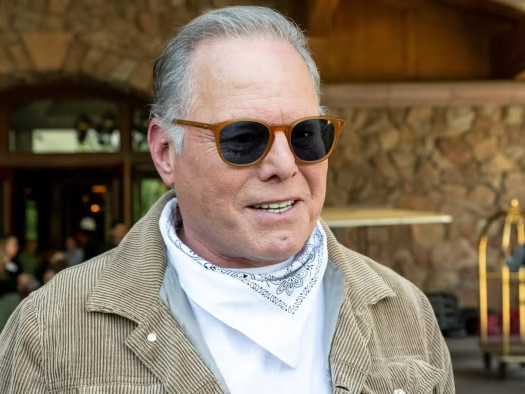 | How Warner Bros Discovery’s David Zaslav defied Hollywood — again | | The Netflix-Paramount bidding war puts the much-criticised Warner Bros Discovery chief executive in line for a bumper payday. |
| 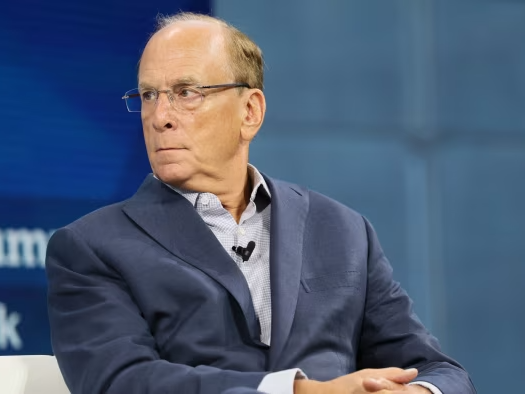 | BlackRock loses second Dutch pension mandate over sustainable investing concerns | | €5bn in assets has been withdrawn by the metal and tech workers’ group. |
| 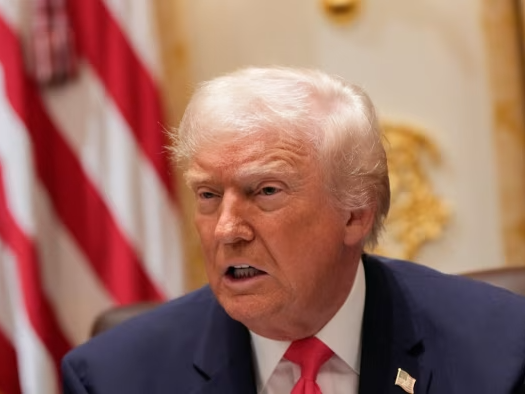 | Trump orders increased scrutiny of proxy advisers ISS and Glass Lewis | | Groups face greater oversight from the federal securities, competition and labour agencies. |
|
| | |
SWIPRA Governance Survey 2025 | SWIPRA The 13th iteration of this survey reveals increasing investor confidence over Swiss boards, but significant perception gaps between companies and shareholders across multiple issues, including board capabilities, compensation and sustainability. How to Make Scenario Planning Stick | MIT Sloan Management Review Two experts explain how to better manage scenario planning and help it take root in large organisations by linking it to complementary practices. They propose a conceptual model consisting of three scenario-planning phases supported by three crucial organisational capabilities that help connect all the pieces. SolarWinds Dismissed: What the SEC’s U-turn Signals for Cyber Enforcement | Harvard Law School Forum on Corporate Governance In a proxy season that is already rife with uncertainty, the issuance of US President Donald Trump’s executive order adds an additional layer of complexity, this report notes. Rethinking Board Insight: Why AI is Becoming a Governance Essential | New research from Infosys & FT Longitude, based on a global survey of 300 executive and non-executive directors, shows how boards are rethinking governance and decision-making amid rapid AI change and geopolitical volatility.
Board Network is written by Andrew Hill and Jonathan Moules |