| Welcome to your weekly board briefing, part of the FT’s partnership with Infosys, combining world-class journalism with cutting-edge technology expertise. This week, I take a first look at what could be a megadeal in mining between Rio Tinto and Glencore, and we highlight the latest in Japanese activism and how McKinsey is weaving AI into its notoriously challenging recruitment process. If you want to catch up on all our briefings, do explore the FT Infosys Board Network hub, where you’ll find links to the FT.com articles and research that we’ve referenced in recent weeks and — in the Briefings tab — to the newsletter library. Send any comments or suggestions to me at andrew.hill@ft.com or Jonathan Moules at jonathan.moules@ft.com. Thanks for reading. 
© Carla Gottgens/Bloomberg Miners like to dig things out of the ground, but ill-judged mining mergers have a tendency to bury their backers. So the resurfacing of a possible megadeal between Glencore and Rio Tinto has created a combination of anticipation and fear, coming less than a year after their last attempt to combine disintegrated. At least the boards of the two companies should know what they are discussing. They will also have to reckon with some interesting changes in context. Notably, Rio Tinto has acquired a new chief executive since last time. Simon Trott, who took over in August, didn’t sound particularly gung-ho about deals when he addressed Rio’s capital markets day last month. He laid out plans to concentrate on cost cutting and asset sales and said the group would consider further consolidation if it created significant synergies. There isn’t much overlap between mines at Rio and Glencore, but they could apply their expertise, respectively in mining and trading, to each other’s assets with good effect. Rio’s concerns about owning Glencore’s coal assets may, in the meantime, have been allayed by investors’ reduced emphasis on ESG factors and the fact Glencore has separated out its coal operations in a way that could make it easier to spin them off. The biggest motivation for this deal, though, is the continued boom in copper, which has been trading at all-time highs following a 40 per cent run-up in price over the past year. “GlenTinto”, if it came into being, would be a strong competitor to the formidable combination of Anglo American and Teck Resources, which is already under way. Still, there remain the sticky questions of price and leadership of a merged copper giant. The risk of buying into a bubble is bound to weigh on directors as they enter an intense period of discussion about whether to take preliminary discussions all the way. Rio has until December 5 to decide whether to proceed. European companies pioneered much of the technology used in renewables, but the Chinese have proved fast learners. Will the trailblazers of greentech ever be able to compete? 
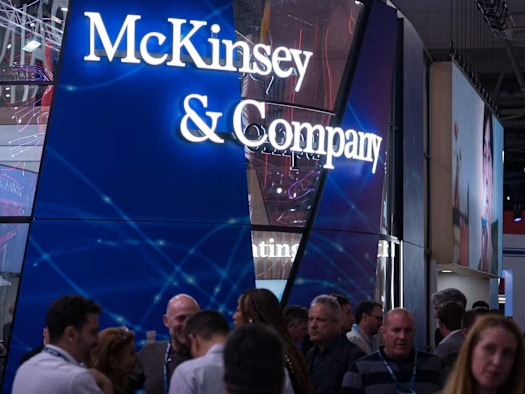 | McKinsey challenges graduates to use AI chatbot in recruitment overhaul | | The geek shall inherit the earth. Sharp chatbot skills could soon help would-be consultants fresh out of business school nail a coveted job at McKinsey. |
|  | Investors ditch proxy advisers at their own risk | | The drudge work of monitoring thousands of company filings and opining on mostly inconsequential shareholder votes is ripe for an AI improvement and better regulation. But the current alternatives being offered could make things worse. |
|  | UBS boss Sergio Ermotti plans to step down in April 2027 | | The starting gun has been fired in the contest for one of the most sought after jobs in banking, although the victor will have to take on a fight with the Swiss government over the threat of more stringent capital buffers. |
| 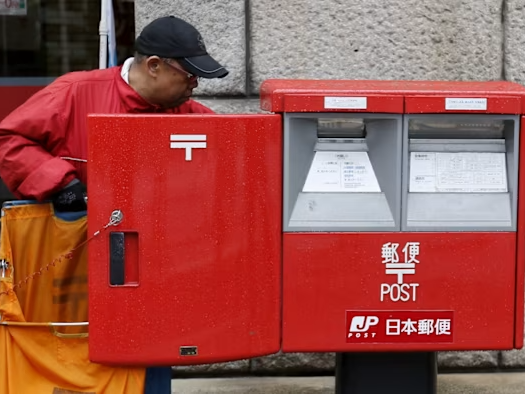 | Japan’s activists grapple with a new problem — success | | Palliser Capital has recently taken a stake in Japan Post, a sign of how Japan’s funds are eyeing bigger and more aggressive tactics after swelling sizes make it harder to deploy capital. |
|
| | |
The unsuitability of existing regulations to reach sustainable AI | Cornell University This paper examines the EU’s emerging regulatory landscape to assess whether it can effectively govern AI’s environmental footprint. The Dual-Class Stock Revolution | KPMG The board’s role in helping provide big-picture context — from business model disruption risk to the impact of AI on the workforce — will be more important than ever to the company’s decisions and direction in 2026, according to this KPMG memorandum. Remuneration Committee new year briefing | Deloitte The accountancy firm sets out five key areas of focus for UK remuneration committees this year.
Board Network is written by Andrew Hill and Jonathan Moules |