| Welcome to your weekly curated briefing on what should matter to board directors. This week Andrew has been locked away in the alpine retreat of Davos, but it has given him a chance to assess first hand the reactions of business leaders to the arrival of US President Donald Trump and his entourage of lieutenants. Our Chart of the Week provides some perspective on Trump’s first year back in the White House. If you have comments, suggestions or news you think we should include, email me at jonathan.moules@ft.com or Andrew at andrew.hill@ft.com. Thanks for reading. The dangerous divisions over Trump |
| | |

© AP It is not quite accurate to say that Davos has been silenced by Donald Trump’s appearance. In fact, there has been talk of little else, some of it openly critical. I interviewed former UK prime minister Rishi Sunak yesterday, before the US president’s rambling speech to the World Economic Forum summit. He condemned US designs on Greenland as “unacceptable” and warned that transatlantic trust had already broken down. The night before, Howard Lutnick, his commerce secretary, was heckled at a dinner after making dismissive remarks about Europe. But I have detected a distinct muting of corporate executives’ views on the reckless policies of the US administration. At a private roundtable dinner I moderated on Tuesday, I tried in vain to excite US and European executives, board members and bankers to express a view on the damaging breakdown in US-European relations. They mostly demurred. Perhaps that is unsurprising — the official topic of the roundtable was supply chains and AI, after all. But this was the same dinner, a similar topic, and some of the same people who this time last year were happy to debate the newly inaugurated president’s plans and their implications. One American executive apologised — the US military was one of his clients, he said. Others simply ghosted away from the gathering afterwards without comment. Such a reluctance to speak up, even at an off the record event, is to me a symptom of the dangerous divisions that have emerged as Trump’s policies and rhetoric become more extreme. Another participant was more forthright: “It’s fear,” she told me later. Trade will find a way round even the most dramatic conflicts, but if I know anything about global business, it is that fear and silence impose hidden costs. To echo the WEF’s “spirit of dialogue” theme for this year’s summit, business partners have to find a way to keep talking to each other. This week we hit the quarter mark in Donald Trump’s second presidency with the first anniversary of his return to the White House. I know, it feels longer. In order to get some perspective on the rollercoaster of the last 12 months, the FT has produced 12 charts to show what Trump 2.0 has meant to date. 
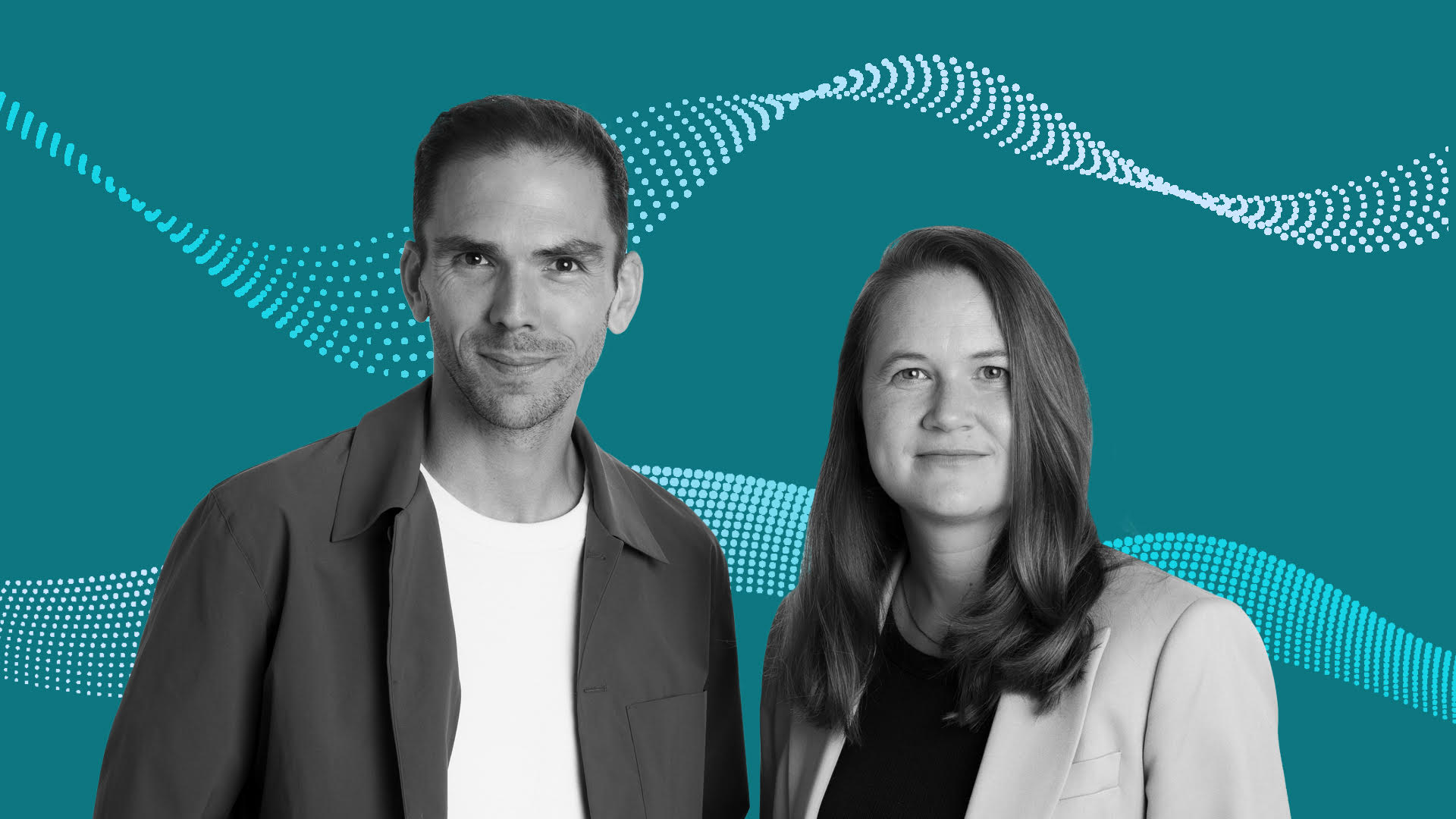
 | Do bosses still need a private office? | | Dame Anna Wintour did not pass on the keys to her office after she stepped down as editor-in-chief at Vogue. However her peers increasingly recognise that visibility in the workplace is important. |
| 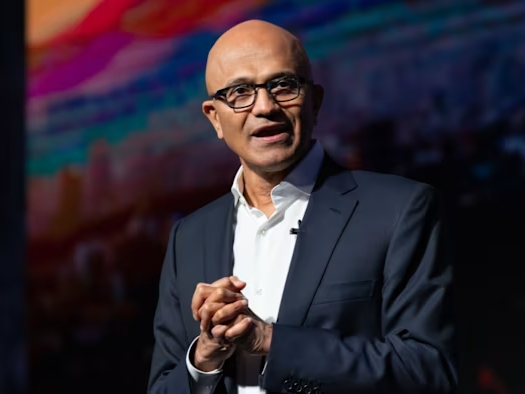 | Nationality is no longer irrelevant for global CEOs | | Foreign-born executives like Microsoft CEO Satya Nadella are more exposed in an era of harder borders and political pressures, according to FT management editor Anjli Raval. |
| 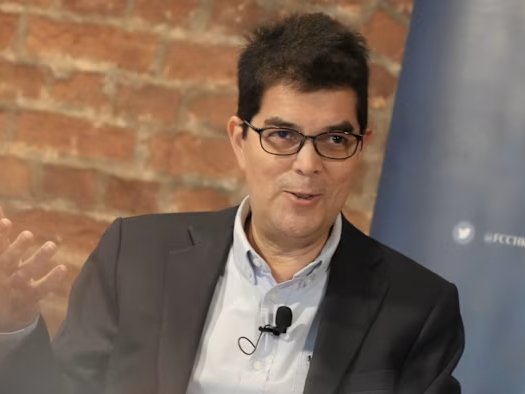 | David Webb, Hong Kong corporate governance activist, 1965-2026 | | The polymath investor, who died on Tuesday aged 60, single-handedly took on Hong Kong’s financial establishment, pushing for corporate governance reform, democracy and institutional transparency in the city. |
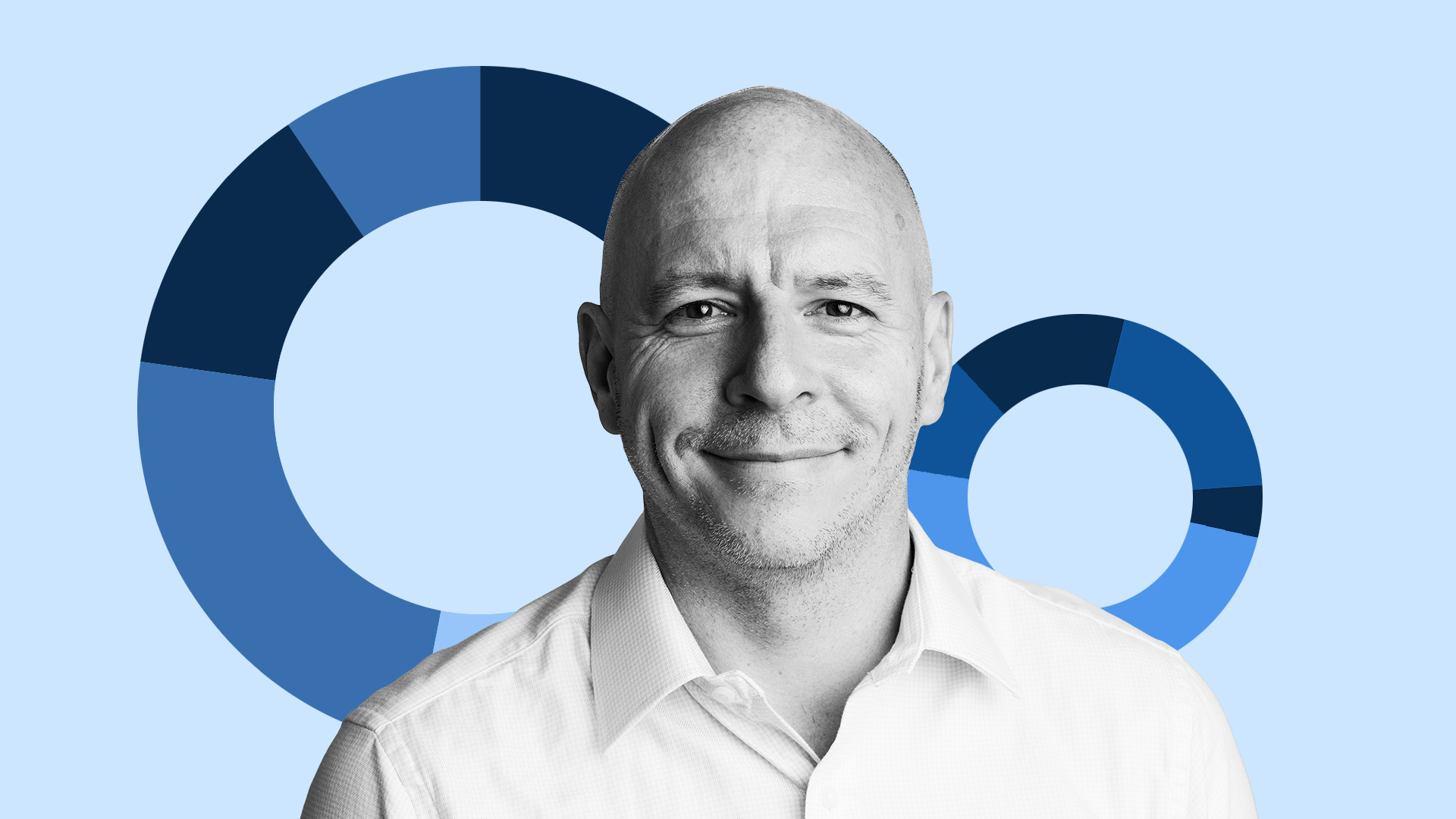
| 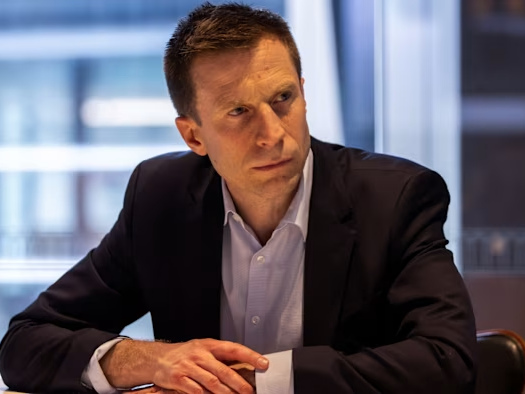 | How to say goodbye to the chief executive, UK style | | In the US, barriers to exit are anathema to those who believe markets should prevail — but flexibility comes at a price, according to the FT’s Lex column. |
|
| | |
Leading through uncertainty in the age of AI | PwC The accountancy firm’s 29th global CEO survey finds bosses significantly less confident about the short-term growth outlook for their companies and more worried about a range of threats, including economic volatility, cyber risk and geopolitical conflict. Determinants of CEO Succession Decisions in Family Firms | IE Business School and Cardiff University The academics review the literature on how family businesses pick successors in this report and conclude by suggesting avenues for further research. From Potential to Performance: How Leading Organizations Are Making AI Work | World Economic Forum The report’s authors have looked across 20 industries in 30 countries to find examples of where artificial intelligence is already driving measurable improvements in operations.
Board Network is written by Andrew Hill and Jonathan Moules |