| Welcome to your weekly curated briefing on what should matter to board directors. This week, I worry about the latest attempt by the London Stock Exchange Group to attract more IPOs. Our Chart of the Week underlines the realities of Donald Trump’s drive to re-industrialise the US and we highlight the FT’s inquiry into UK fintech Monzo’s boardroom breakdown. If you want to catch up on last year’s briefings, do explore the FT Infosys Board Network hub, where you’ll find links to the FT.com articles and research that we’ve referenced in recent weeks and to our archive of recent briefings. Do you have comments or suggestions for the newsletter? Send them to me at andrew.hill@ft.com or Jonathan Moules at jonathan.moules@ft.com. Thanks for reading. A risky race to the bottom |
| | |

© Hollie Adams/Bloomberg The global competition for initial public offerings is brutal. Still, it is disappointing that, for London at least, it is turning into a race to the bottom, after years in which the UK sought to distinguish itself with stricter rules and better governance. The latest incentive for international companies to list in London could be the opportunity to be part of the FTSE UK indices, including the blue-chip FTSE 100 index, with a free-float of shares as low as 10 per cent. FTSE Russell, owned by London Stock Exchange Group, is consulting on proposals to bring free-float requirements for non-UK companies down from 25 per cent, into line with the threshold it applies to their UK counterparts. Advocates might ask why international companies should face tighter requirements than UK companies. Well, one reason is that it is easier to supervise and regulate home-grown companies and their boards. Another is that listing and index membership should be based on quality rather than quantity of new entrants. London faces immense pressure to make itself more attractive, but dropping barriers for international companies has devalued London listing in the past. I used to write about Eurasian Natural Resources Company (ENRC), which was allowed to list in 2007 despite a free-float below the then threshold. ENRC made it into the FTSE 100, along with other international miners riding the commodities bubble. After two independent directors were ousted, in 2013 ENRC was taken private by the same oligarch owners behind its IPO, having become a byword for dysfunctional governance. In 2021, when FTSE Russell’s advisory committee considered cutting the international free-float requirement for index membership from 50 per cent to 10 per cent, they worried that such a sharp reduction would be “too extreme” and settled on 25 per cent. Five years on, flexing this safeguard would still be a big and potentially counter-productive step. The reality of making US manufacturing great again is proving difficult despite the best efforts of President Donald Trump’s tariff regime, as the fortunes of furniture makers in North Carolina and Foshan in China illustrate. 
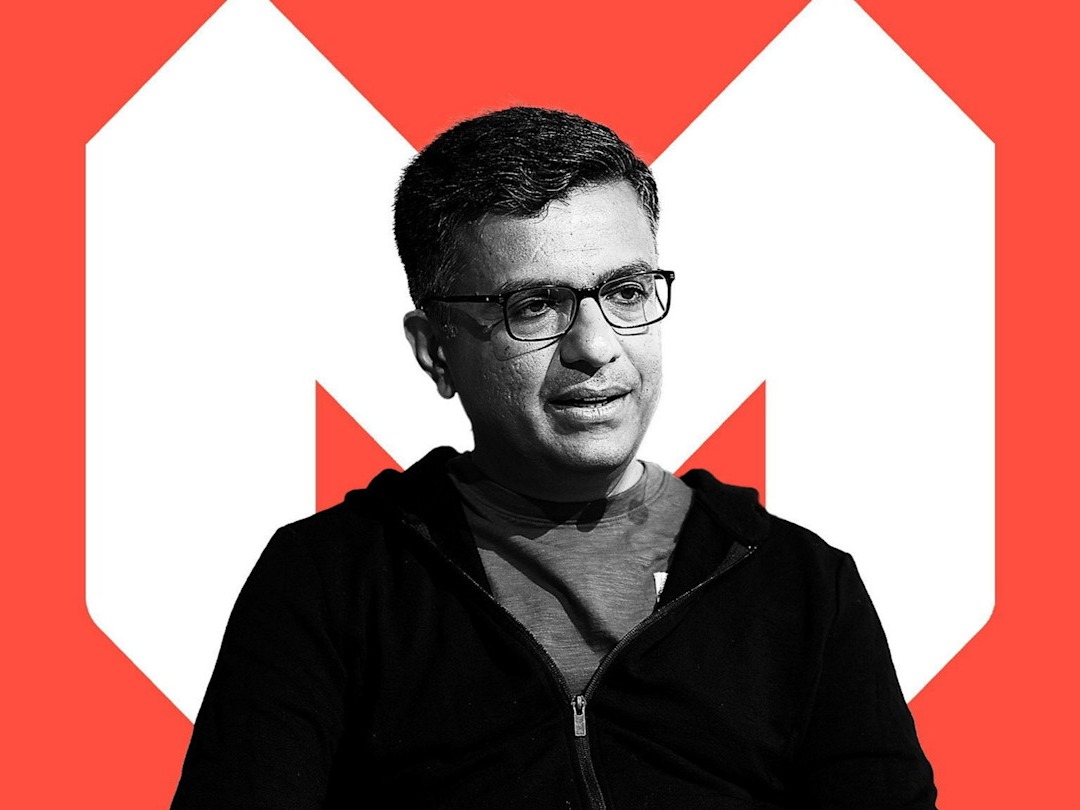 | Inside Monzo’s boardroom battle that felled its CEO — and brought him back | | An FT investigation into the erratic behind the scenes move at the UK fintech, which ousted its chief executive only for an investor rebellion to precipitate his appointment to board. |
| 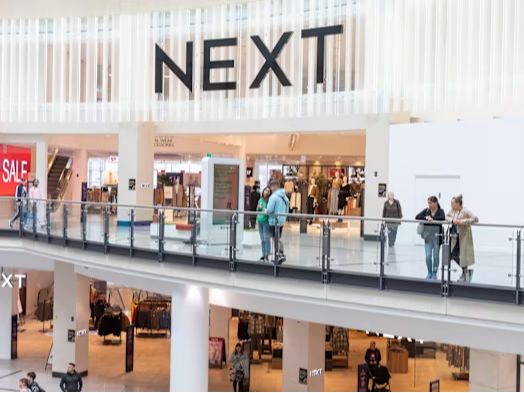 | Next’s coming challenge is life after Simon Wolfson | | The poster child for British clothing and furniture retail keeps outperforming rivals but its veteran chief executive must one day leave, which has become an issue. |
|  | US companies expand protection services for top executives | | A sign that it’s not so easy at the top. More than 20 per cent of S&P 500 companies provided security benefits amid mounting threats. |
| 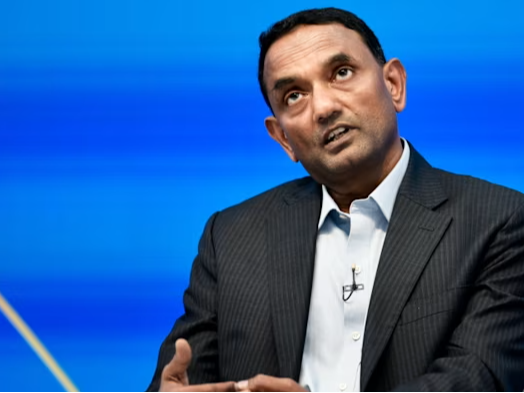 | AI will not lead to mass layoffs, says head of India’s largest IT services company | | Some good news, perhaps, on AI’s impact on jobs from Tata Consultancy Services chief executive K Krithivasan, who says the technology’s adoption is helping outsourcers offset slowing sales in the US and Europe. |
|
| | |
2026 What Directors Think | Diligent This latest edition of an annual dive into the priorities for those leading public companies finds that AI adoption in the boardroom is broad but not deep. Controllers Unbound | SSRN In an attempt to protect its dominant position in the market for incorporations, Delaware recently relaxed the constraints on public company controllers. This article assesses the expected dire consequences of this action on controlling shareholders. The Miscalculation of Corporate DEI Risk | ECGI This article argues that many of the corporate responses to the anti-DEI turn since Donald Trump’s return to the White House in 2025 reflect a fundamental failure to properly manage risk.
Board Network is written by Andrew Hill and Jonathan Moules |