| Welcome to your weekly digest of must-read news and knowledge for board directors. This week, how better governance could have avoided the crisis at the BBC, Warren Buffett’s dignified retreat into silence, and the fate of Mohammed bin Salman’s folly in the Saudi desert. If you want to catch up with past briefings, please explore the FT Infosys Board Network hub, where you’ll find links to the FT.com articles and research that we’ve referenced in recent weeks and — in the Briefings tab — to the newsletter library. Send any comments, suggestions or news you think we should include to me at andrew.hill@ft.com or newsletter editor Jonathan Moules at jonathan.moules@ft.com. Thanks for reading. Auntie Beeb’s boardroom boob |
| | |

BBC director-general Tim Davie, talks to journalists outside the media group’s London headquarters, after his resignation announcement © ANDY RAIN/EPA/Shutterstock The BBC has “corporation” in its full name, but in very few respects does its governance or operation conform with that of an ordinary commercial company. More is the pity, because a resolute chief executive overseen by a strong chair and board of directors might have avoided or at least mitigated the crisis now engulfing the British public broadcaster. To recap: after a series of avoidable errors, culminating in a clumsy and journalistically inexcusable edit of Donald Trump’s infamous January 2021 speech, the BBC’s director-general Tim Davie — in effect its CEO — and its head of news resigned this week. Its chair has belatedly expressed regret about the misleading edit, but the US president is threatening a $1bn defamation suit if a retraction, full apology and damages are not forthcoming by tomorrow (Friday). Defenders of the BBC, also known by the sobriquet “Auntie Beeb”, allege right-wing members of its board conspired to bring Davie down. Nonsense, say allies of those directors. But the fact that such allegations and counter-allegations are being openly aired is a symptom of inadequate board oversight and control. A stronger chair would have ensured that boardroom differences were dealt with internally. The board should have approved a public apology much sooner. That might have given Davie, despite his unenviable position as target of politically motivated attacks, the support and confidence he needed to remain in post and work to restore public trust. Instead, the BBC is now essentially leaderless, waiting for a weak board to approve and appoint a new director-general while scrambling for ways to appease a triumphant Trump. Given the generally high reputation of the BBC as a beacon of journalistic fairness and artistic creativity, this self-destructive misgovernance looks particularly mad - on a par with the self-harm of Brexit. If the BBC pulls through then its idiosyncratic structure must be overhauled to ensure such a crisis cannot easily recur. Neom, the vast mega-project that Saudi Crown Prince Mohammed bin Salman hoped would redefine life in the kingdom and beyond, has unravelled. Neom’s owner, the Public Investment Fund, the near-$1tn sovereign wealth fund chaired by Prince Mohammed and tasked with spearheading his development plans, has been pressured to deliver returns after a years-long spending splurge. Meanwhile, a mood of realism was taking hold in Riyadh as the government sought to manage its resources as oil prices softened, leading to reprioritisation of its — and the PIF’s — vast financial commitments.   | A lesson for UK boardrooms: you get what you pay for | | Non-executive directors in the UK can be paid in shares, the corporate reporting watchdog has said in newly expanded guidance. But if British investors want to stick with cash, they should offer more of it, the FT’s Lex column says. |
| 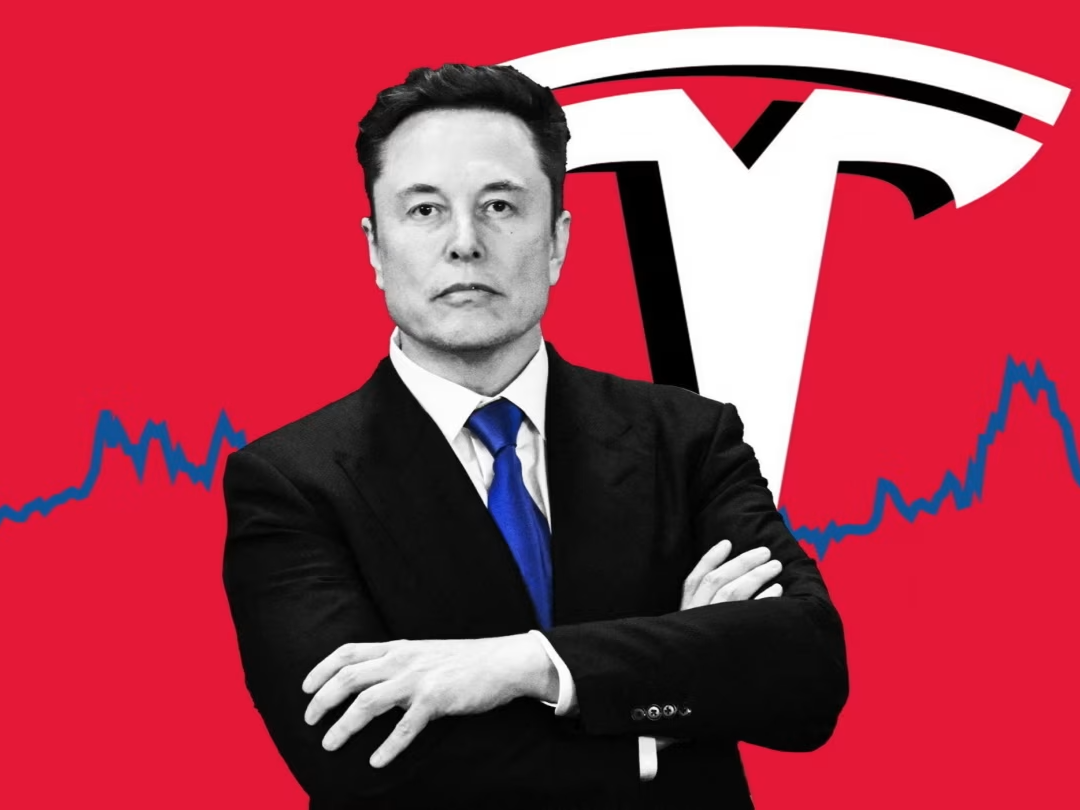 | Elon Musk celebrates $1tn Tesla pay vote landslide | | The tech billionaire scored a decisive victory, winning his second record stock award in as many years and putting his control of the electric-vehicle maker beyond doubt. |
| 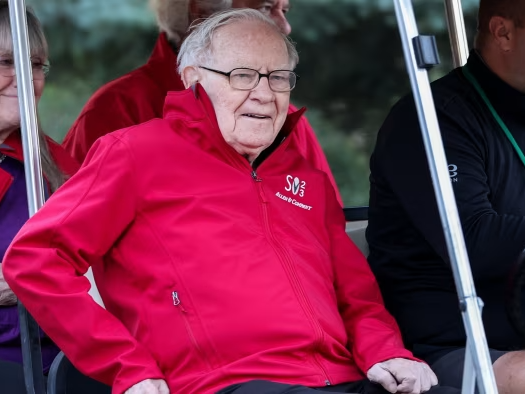 | Warren Buffett says he is ‘going quiet’ | | The world’s most famous investor has warned against corporate greed as he prepares to hand over the reins of Berkshire Hathaway. |
| 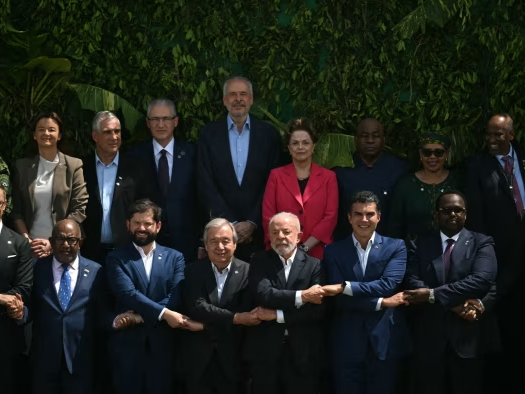 | Muted global business turnout at COP30 reflects subdued mood | | Business attendance at the UN climate summit in Brazil is expected to be far narrower than in past years and dominated by big local groups and multinational companies with Latin American operations. |
|
| | |
Women in economics: The role of gendered references at entry in the profession | European Economic Review The researchers assess the extent of gender differences in reference letters for graduate students in economics and finance, and how they relate to early labour market outcomes. Incentive Compensation and Cybersecurity: What’s the Connection? | WTW The risk of getting cyber security wrong is significant and the potential cost is great. This article from Phil Yores, a senior director at WTW, outlines how board committees can reward employees for getting it right. Corporate Governance in Europe 2025 | Diligent This report explores how European companies, regulators and investors are adapting to global pressures while maintaining high standards of accountability and trust.
|